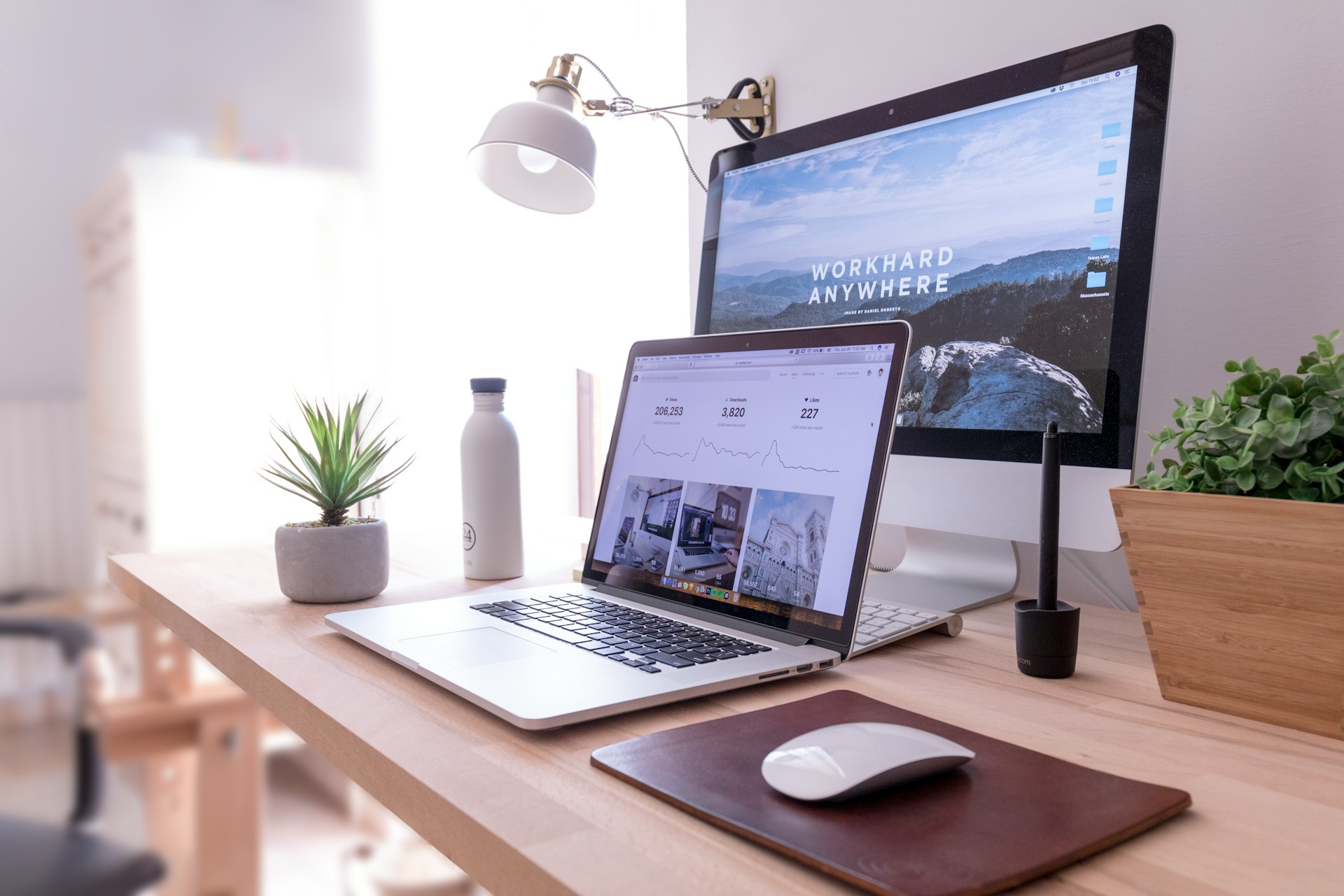
The web design sphere constantly progresses, creating a robust brand presence through online identity to meet the target audience’s needs and fight tough competition.
In recent years, web design trends have evolved to prioritize even more immersive and personalized experiences for audiences.
Designers are leveraging new, advanced technologies to create dynamic, user-centric websites that adapt in real time to user preferences and behaviors. This shift has brought about a fresh era of interactive design, where websites are not just viewed but experienced, providing unique journeys for each visitor.
As a result, web design trends today are not just about visual aesthetics, but also how it feels, reacts, and connects with its users, making every online interaction more engaging and meaningful.
Top web design agencies in Oakland are at the forefront of this innovation, and in this article, we will explore which cutting-edge trends these agencies follow when creating websites that exude creativity and functionality.

Content and Images Generated by AI
More and more designers are shifting towards AI-based design practices, and more and more clients want AI-powered experiences on their websites because they want to position themselves as forward-thinking through an ultra-modern online presence.
In theory, artificial intelligence has the potential to enhance all aspects of a website, including its aesthetics, features, accessibility, user experience, visitor interaction, consumer targeting, and even marketing elements. In reality, it is far from that, but with each passing day, this technology advances, and it already provides interesting tools for web design.
For example, Midjourney, DALL-E 2, and Generated Photos are tools that develop graphics based on a simple human prompt, opening huge opportunities for web designers. They can create custom website graphics based on their vision, user data, and design systems.
Additionally, AI is employed to analyze user behavior and preferences, enabling websites to dynamically personalize content, layouts, and recommendations for individual visitors. This enhances the overall user experience by presenting relevant information tailored to each user.
Although this technology is still in development and is not omnipotent in the field of web design, we can see that AI models intend to become an indispensable part of modern web development.
Parallax Scrolling
Parallax scrolling is not a new trend, but when combined with other technologies, it always finds a way to blow users’ minds and excite designers with possibilities to impress and deliver the brand message.
Web designers often use parallax scrolling to tell a story or guide users through a narrative. The scrolling effect allows for the sequential presentation of content, leading users on a visual journey as they explore the website.
Mixed with high-tech solutions, motion effects, and interactivity, there is no doubt that we will witness more scrolling extravaganzas in the future.
Dark Mode
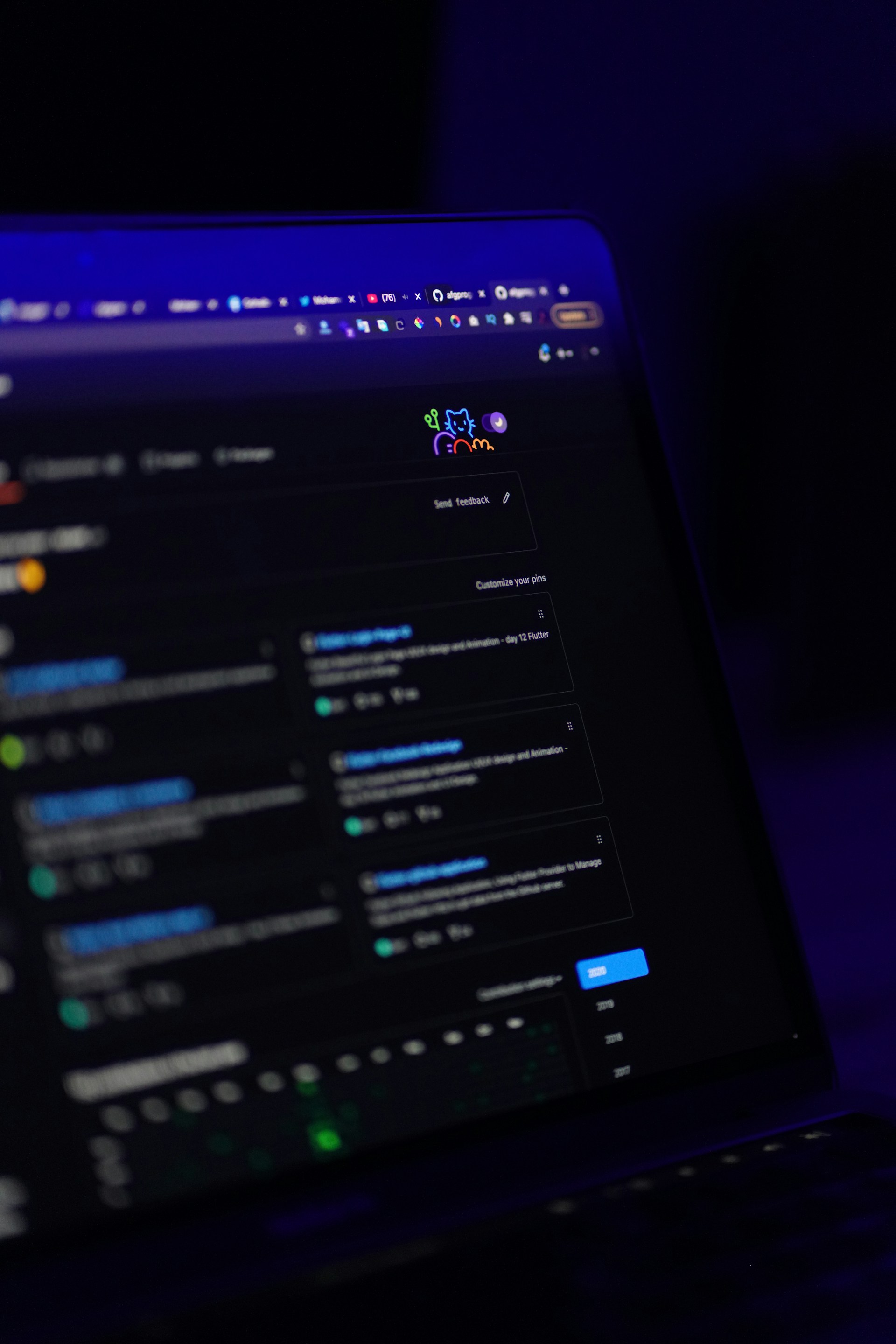
Dark mode in web design is a visual interface option that presents content on a dark background with light-colored text and other elements.
On the practical end, this trend in design reduces eye strain, especially in low-light environments. The dark background with lighter text can be gentler on the eyes, making it more comfortable for users during extended periods of screen time.
On the aesthetic end, dark mode is appreciated for its modern and sophisticated aesthetic. Many users find the contrast between dark backgrounds and lighter text visually appealing, leading to its widespread adoption in various applications and websites.
As a result, websites that adopt dark mode can provide a consistent and familiar experience across different devices and applications.
Dark mode has become a prominent trend in the contemporary design landscape, reflecting the industry’s responsiveness to user needs and preferences.

Creative Typography
Creative typography pushes the boundaries of traditional typography to create unique, visually striking, and expressive text elements on a website. It goes beyond the conventional use of fonts and explores innovative approaches to lettering, layout, spacing, and overall presentation.
This trend was noticed last year when many websites featured big, bold lettering, interesting custom typefaces, big variances in size or color, and even tiny type animations.
It`s not a surprise, everyone loves to play with letterforms.
Creative typography is here to stay because it not only serves a functional purpose but also becomes an integral part of the visual identity and storytelling aspect of a website.

Frosted Glass Effects
The frosted glass effect involves applying transparency and blurring to specific elements, such as backgrounds, overlays, or containers. This creates a subtle and translucent appearance, mimicking the appearance of frosted glass.
By introducing a frosted glass effect, designers add a layer of depth to the visual hierarchy of a webpage. Elements with the effect appear to be on a separate plane, enhancing the overall aesthetic and making the design more visually interesting.
This technique is particularly effective in sections where the legibility of the text is crucial, as the blurred background serves as a non-distracting canvas.
This trend in web design is associated with a modern and sleek aesthetic. Its usage is often aligned with contemporary design trends, contributing to a fresh and up-to-date look.
Mixing Photography with Graphics
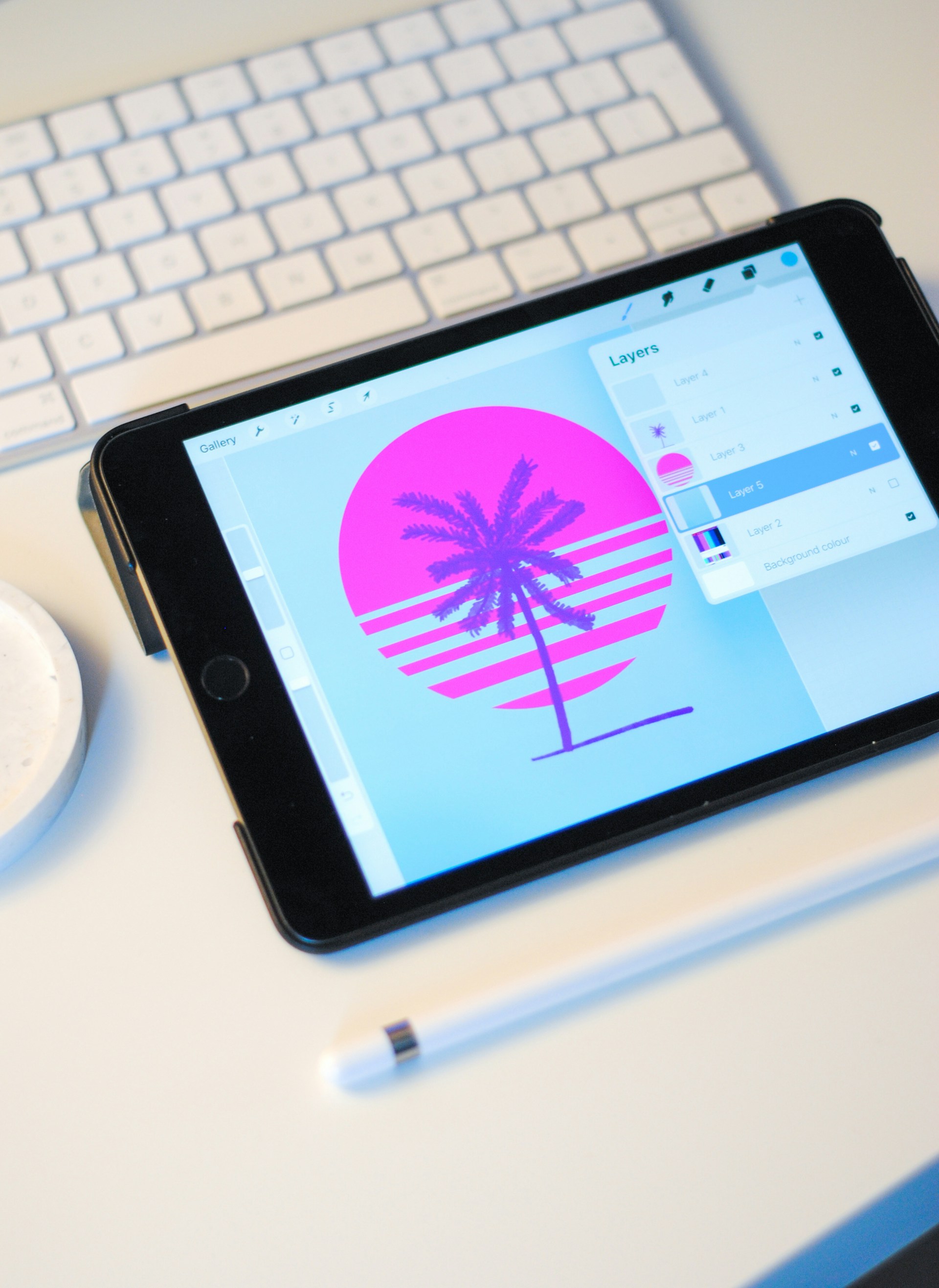
Blending photos with graphical elements is a web design trend that involves seamlessly integrating photographic images with various graphic elements, such as illustrations, typography, or abstract shapes.
This technique brings a level of creativity and fun to a typical image. It allows effective storytelling by integrating relevant graphics with photographic content.
Designers can use illustrations or typography to emphasize the key messages of the brand. Custom illustrations, brand colors, and other graphical elements can be incorporated to reinforce the brand identity and create a cohesive visual experience.
Blending photos with graphical elements is a versatile trend that can be adapted to various design styles, from corporate websites to creative portfolios, providing a fresh and dynamic approach to visual storytelling on the web.
Videos with a Purpose
The video has long been touted as a “must-have” in website design. Videos are engaging, and some users prefer to watch a video than read text. Except for that, great video can drive conversion and build trust.
But the latest trend is that the video should not only be posted on the site; it also needs to be “smart.” Smart videos must have a purpose and meaning.
For example, take Airbnb’s website and their “Neighborhood Guides” videos. When users explore a potential travel destination, they can watch short videos that highlight different neighborhoods within the city.
The smart video trend is a valuable resource and also helps to establish the brand as an authority in your industry.

Sustainable Design
One of the primary concerns in sustainable web design is the energy consumption of websites.
This trend involves designing websites that are energy-efficient, with optimized assets and reduced data transfer.
It’s not just an ethical choice; it’s a popular business strategy. Eco-conscious users are more likely to engage with brands that demonstrate a commitment to sustainability.
Adopting a sustainable design philosophy helps reduce the overall data load and complexity of web pages. By eliminating unnecessary elements, designers create cleaner, faster-loading websites that consume fewer resources.
Sustainable web design is an evolving field, and the adoption of these practices contributes to a more environmentally friendly digital ecosystem.
As awareness of the environmental impact of digital technologies grows, the principles of sustainable web design become increasingly important for both designers and users.
As we navigate through the digital landscape, it is evident that innovation is a constant force, shaping the way websites engage and interact with users.
From the sophisticated integration of AI-driven solutions to the visually striking use of creative typography, each trend reflects a commitment to enhancing user experiences and staying ahead in a competitive online environment.
Web design agencies, as pioneers in the field, play a pivotal role in pushing the boundaries of what is possible. Their ability to blend aesthetics with functionality, embrace new technologies, and respond to the ever-evolving needs of users defines the trajectory of web design evolution.
As we look to the future, the intersection of sustainability and web design becomes increasingly significant. With a growing awareness of the environmental impact of digital practices, top agencies are incorporating eco-friendly considerations into their design philosophies. This evolution reflects a broader societal shift towards responsible and sustainable digital practices.
The evolution of web design is a testament to the limitless possibilities that arise when creativity meets technological advancement, ensuring that the online experience remains vibrant, engaging, and forward-thinking.
 Whole Earth Home
One response to “Best Web Design Agencies in Oakland”
[…] bicycles, or electric-assist bikes are skyrocketing in popularity right now, with sales doubling and tripling since the global […]
LikeLike