
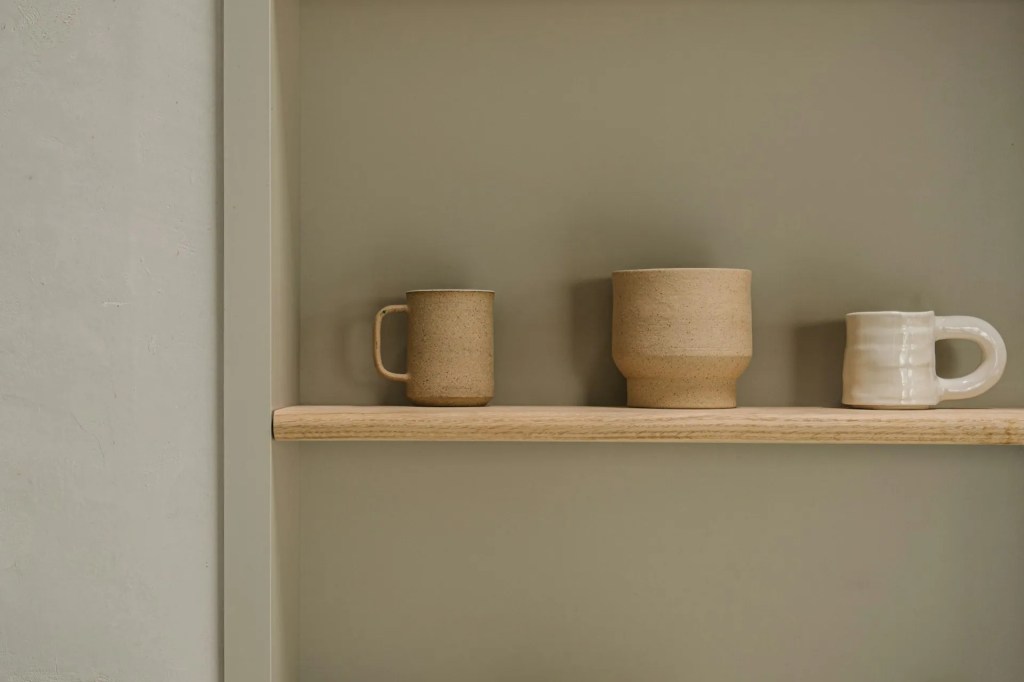
Many people genuinely wish for more storage space in their homes, often feeling overwhelmed by clutter. While there are various storage solutions available, it’s disheartening to see that many either occupy precious floor space or are solely made of plastic, which can harm our environment. Thankfully, there are now innovative, stylish, and sustainable storage options that blend seamlessly with your home, providing smart solutions to create a more organized and comforting living space.

Make Your Own
One of the best ways to reduce carbon footprint and resource waste is to make your own storage. You can use wood to create shelves, storage containers, or baskets. You can also take any natural material, from glass to cloth, to make many stylish storage options. Shelving takes advantage of vertical space, which is excellent for homes that don’t have a lot of square footage. Baskets and bins can be stored anywhere or hung from the wall, making them versatile for many storage needs.

Woven Baskets
Woven baskets make great storage options. They can be hung from the wall or placed on or under furniture. You can make your own baskets or buy them from eco-friendly sources and materials. They’re versatile for storing many goods, like random knick-knacks, pantry items, or clothing.

Natural Cloth Drawers
Cloth drawers made from natural fabrics like wool or cotton are trendy storage options. While cloth drawers are usually used for storing clothes, particularly in dressers, you can use them however you’d like. You may want to avoid storing wet items in these, as they may grow musty or gather mold.

Bamboo
Bamboo is one of the most eco-friendly renewable materials, as it grows very quickly and doesn’t require heavy water or any fertilizer. It’s also stylish and can be made into any product imaginable, from food plates to trash cans. Bamboo storage can come in the form of light shelves, standalone furniture, bins, baskets, bags, receptacles, and more. You can even grow bamboo yourself to maximize sustainability—be careful, as it spreads fast.

Outdoor Storage Shed
A storage shed can provide adequate space for your home’s lawn equipment, garden tools, seasonal decorations, and other outdoor-friendly items. You can ditch the plastic sheds that will take hundreds of years to break down and consider more natural materials, like wood. Wood comes from trees, and you can use repurposed wood to reduce resource waste. Metal is also a hardy natural resource that can be reused for many purposes when you no longer need the shed. You can build a shed yourself to reduce your carbon footprint or find handmade, sustainable sheds for sale of natural or repurposed materials.

Repurpose Beverage Cartons
Reducing plastic and other harmful materials to the environment is necessary for eco-friendly lifestyles. Unfortunately, many store-bought containers are made of plastic to cut costs. Instead of throwing away the plastic, you can repurpose it into many storage options. Plastic milk containers can become water storage containers for your garden, and plastic juice containers can become storage containers for utensils or small tools. You can decorate them to spruce up their appearance if desired.

Reuse Plastic Grocery Bags
Owning reusable grocery bags for your shopping trips is a wonderful step toward practicing sustainability, but we all know that sometimes life gets in the way, and we forget to bring them along. If you find yourself with some plastic grocery bags, don’t worry; they can still be quite useful! Consider using them for storage around the house. They’re great for holding trash or wet items, and you can empty and reuse them as needed. You might also find them handy for pet waste, composting, or recycling—just remember not to mix them in with your recyclables. Keep reusing them as long as you can, and when they’ve served their purpose, please take them to your local grocery store’s plastic bag recycling bins. Every little bit helps!

Glass Jars and Beverages
Many grocery items can be bought in glass jars or containers. Glass is recyclable, so you can dispose of it sustainably. However, many glass jars and containers are stylish and provide excellent storage space for smaller items like writing utensils, silverware, cooking tools, pet treats, leftover foods, and more. The more glass containers you save, the more storage options you have.

Garden Planters
Finding a sustainable storage solution for potted plants can be tricky. Instead of buying pots, you can repurpose many household items into planters or pots. Old tires, bins, food and beverage containers, old shoes, and more can become perfect places to store your plants. Make sure they have adequate drainage; if they have none, you can likely poke holes to encourage water drainage.

Food Containers
Leftover food storage relies primarily on plastic, especially if you go storebought. While you can purchase sustainable materials for food storage, such as glass or bamboo, you can also make your own using repurposed grocery items like glass jars. Before using plastic containers for food, ensure they are food-safe for long periods.
In Summary
Creating sustainable storage for your home can be a rewarding and fulfilling experience. Imagine the possibilities with shelves, sheds, bins, and baskets, all crafted from renewable, natural, or repurposed materials that not only serve a purpose but also reflect your values.
When you go grocery shopping, think about how those plastic bags or food containers can find new life by organizing various household items, bringing a sense of order to your space. The idea of turning used shoes into garden planters is not just creative; it’s a beautiful way to give items a second chance. You have the power to make storage solutions—whether it’s growing bamboo, building your own shed, or weaving baskets from cloth or wood—each choice echoing your commitment to sustainability and creativity.
 Whole Earth Home