
The Technology Your Brain Has been Waiting For
Most tech shows up like an uninvited guest. It lights up, pings, buzzes, asks for updates, and generally makes itself your problem.

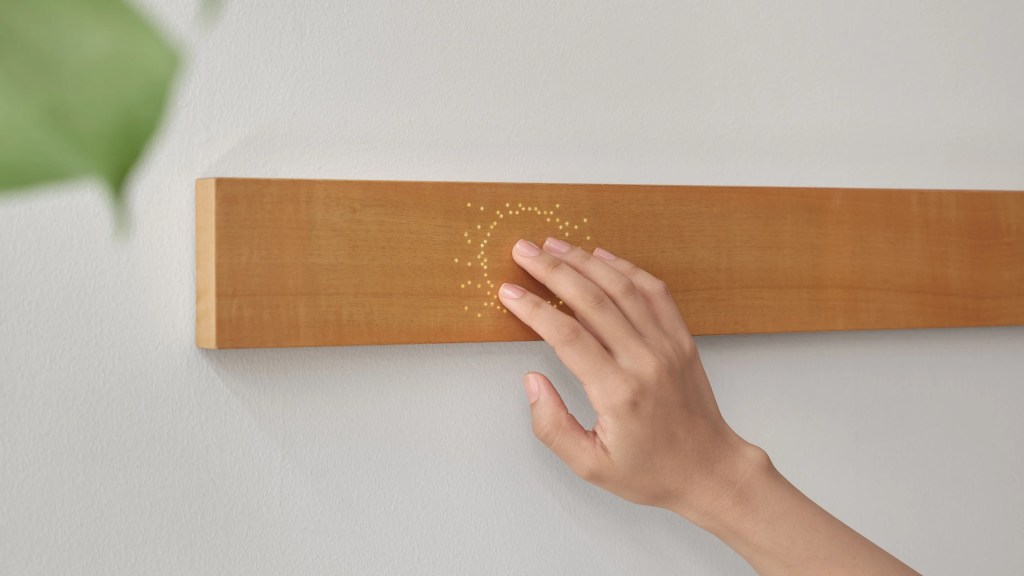
The Mui Board is trying to do the opposite. It’s a smart home controller that looks like a plain piece of wood until you touch it.
Then a little dot-matrix interface pops on so you can handle basics like lights, music, weather, timers, and messages. When you’re done, it goes back to being… wood.
That vibe has a name: calm tech.


Introducing mui Board Gen 2, the elegant and functional smart home controller made of wood.
With a disappearing screen, control lights, thermostats, and smart locks effortlessly through the Matter platform.Expertly designed for a seamless and stylish smart home experience.

Calm tech, defined
Calm tech is not “no screens” and it’s not “everything must be beige.” It’s design that treats your attention like something valuable, not something to harvest.
In practice, that means:
- the product stays quiet by default
- it only asks for attention when it really needs it
- it’s easy to use quickly, without a scavenger hunt through apps
- it fits into a room like an object, not like a billboard

Introducing mui Board Gen 2, the elegant and functional smart home controller made of wood. With a disappearing screen, control lights, thermostats, and smart locks effortlessly through the Matter platform. Expertly designed for a seamless and stylish smart home experience.

The idea goes back to 1990s research about “ubiquitous computing” (tech woven into life instead of glued to your face), and it’s been revived in recent years with clearer principles and even certifications aimed at reducing distraction.


Why it’s having a moment
People are tired. We’re drowning in notifications and “helpful” nudges. Even your lightbulbs want to send you updates now.
Calm tech is the pushback. It says: the goal isn’t engagement. The goal is getting what you need and moving on with your day.

The Mui Board as a quick case study
The Mui Board gets called an “anti-smart display,” which is accurate. It’s not trying to be your kitchen iPad. It’s trying to be the thing you barely notice until you want to change the vibe in the room.
What makes it work is the behavior:
- off by default, wakes up on touch
- simple, tactile interaction instead of app chaos
- a limited menu of everyday stuff that actually matters
- designed for places you don’t want an always-on screen, like the bedroom

It even has playful bits, like a little “cat” that wanders across the display. That’s the point: calm doesn’t mean boring. It just means the device isn’t constantly waving its arms for attention.
A working definition
Calm tech is technology that acts like a good home object. It’s there when you need it, and it’s not trying to start a conversation when you don’t.
The future isn’t screenless. It’s less needy.
 Whole Earth Home