
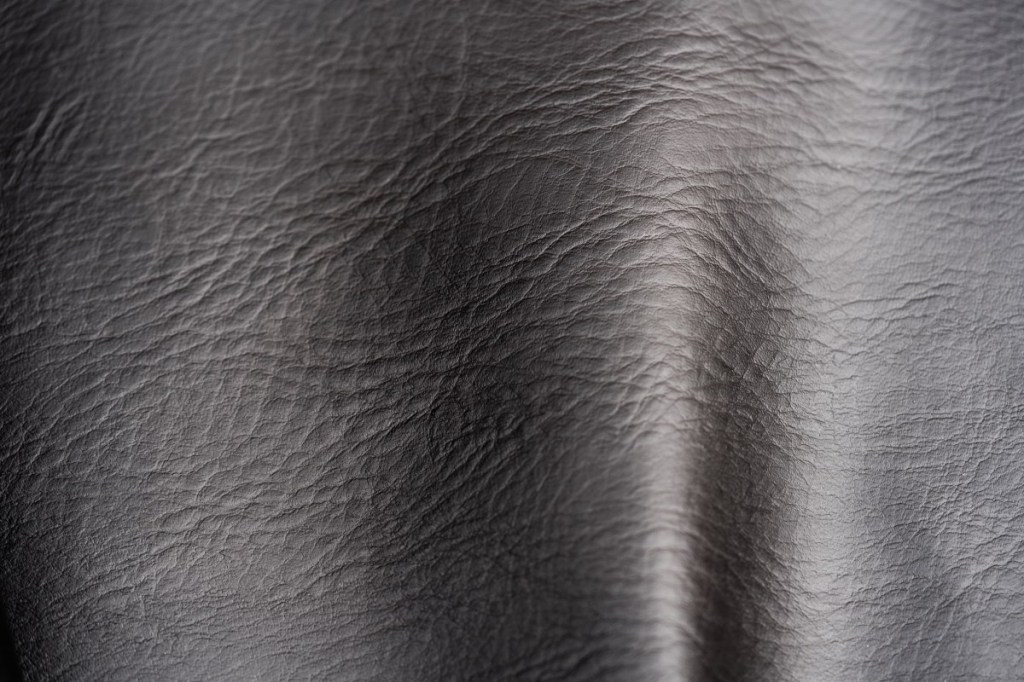
Every year, the global brewing industry produces millions of tonnes of spent grain — the fibrous barley and wheat husks left over after mashing. Most of it ends up as animal feed or in landfill. But a Berlin-based materials startup called Arda Biomaterials has found a considerably more interesting use for it: a leather alternative with genuine aesthetic appeal and a circular supply chain that turns one industry’s waste into another’s raw material.
What Is New Grain?
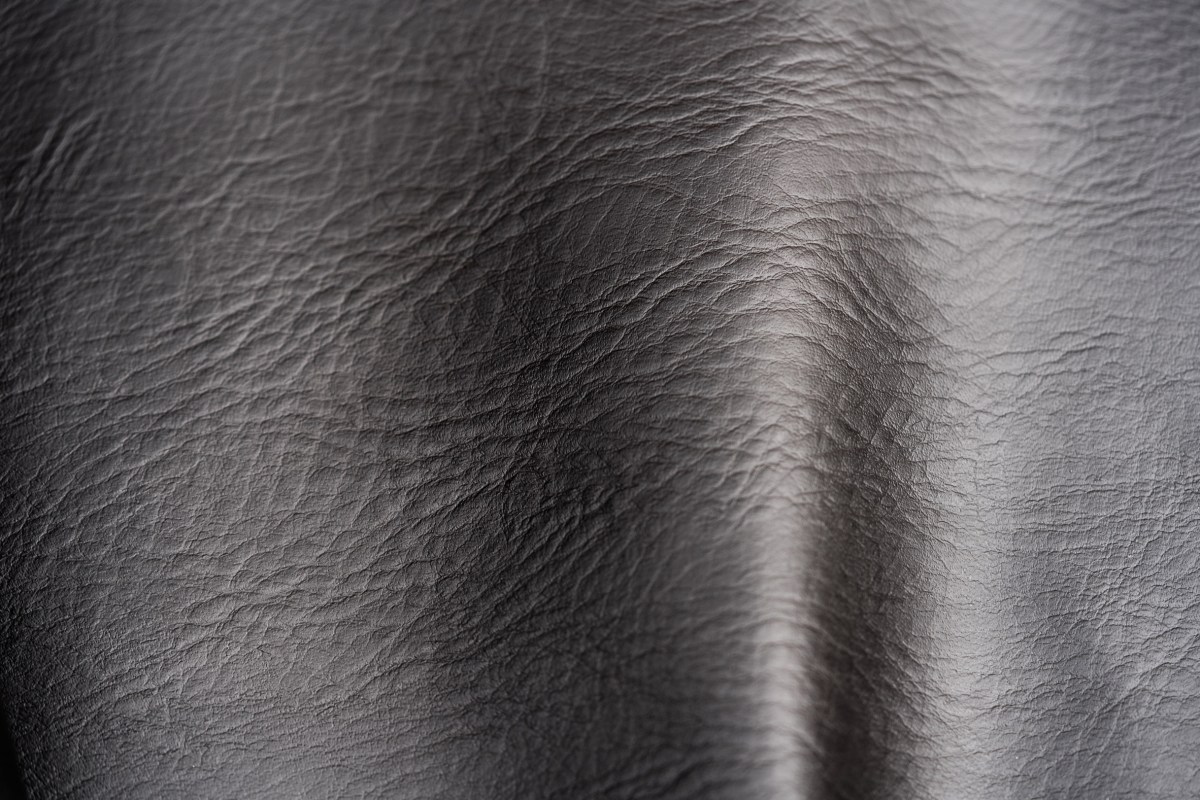
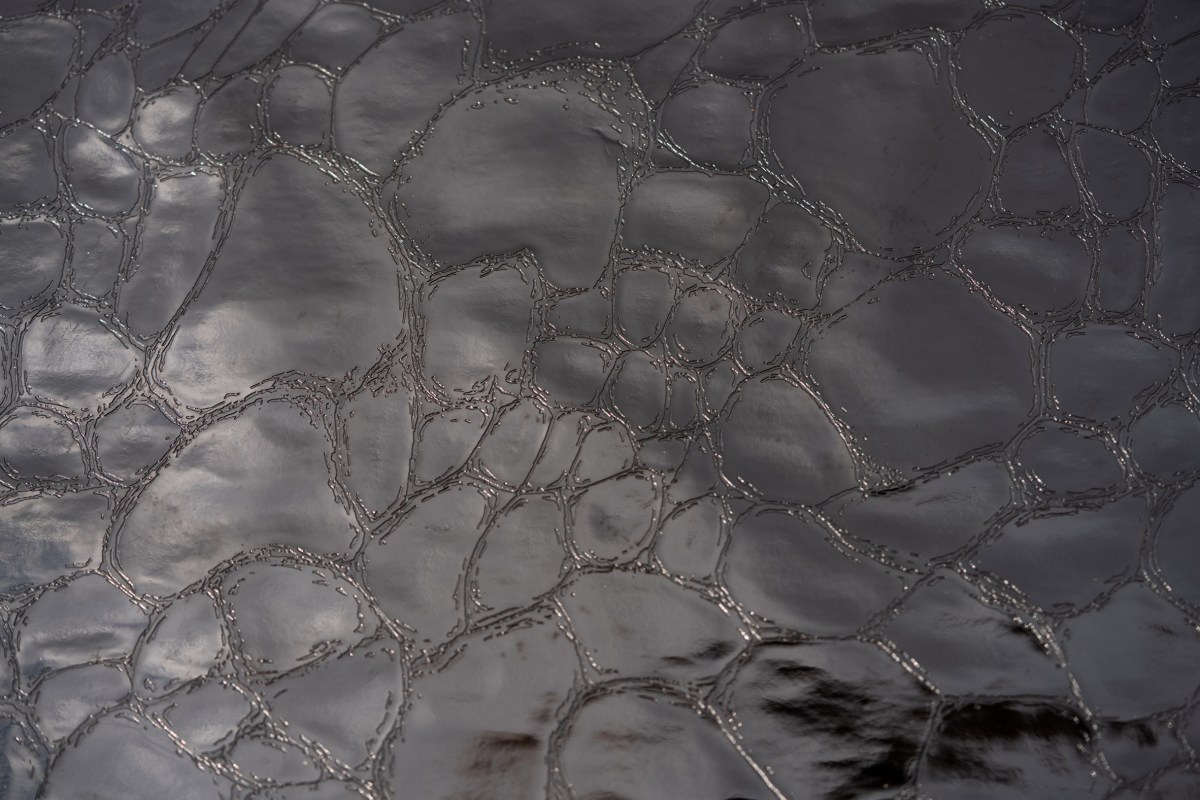
Arda’s material, called New Grain, is made by combining spent brewing grain with natural binders — no petroleum derivatives, no toxic solvents. The result is a sheet material with a surprisingly luxurious hand feel and a surface texture that ranges from smooth and refined to deliberately grainy, depending on the application. It’s not trying to pass as conventional leather; it has its own visual identity, and that confidence in its distinctiveness is part of what makes it compelling.
Real Products, Not Just Prototypes
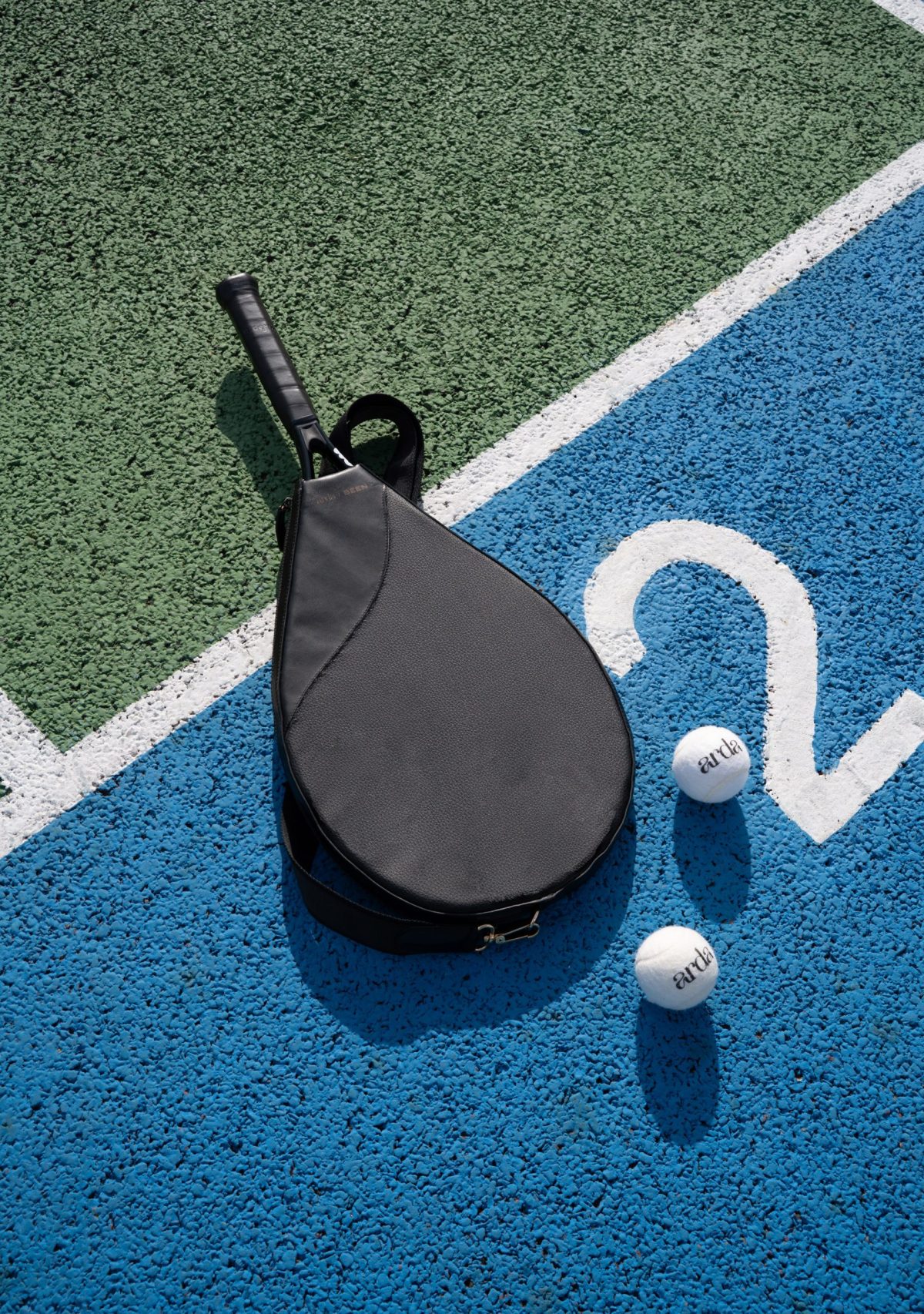
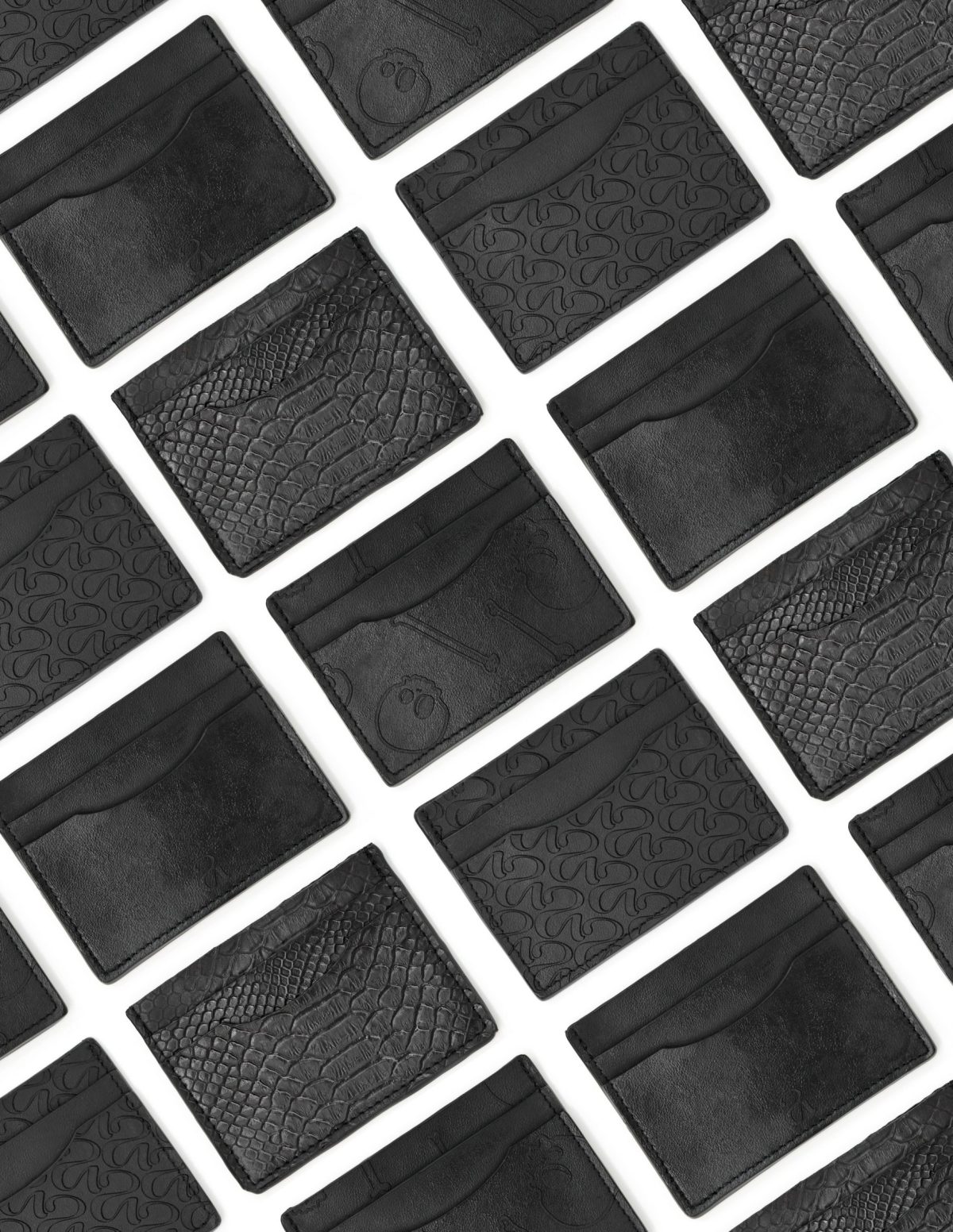
What sets New Grain apart from many bio-material concepts is that it’s already being used. The material has been adopted for bags, accessories, and small goods — the kind of everyday objects where leather has historically been both the default and the problem. A paddle bag made from beer grain waste sitting on a court looks not just acceptable but genuinely desirable. That crossover from “sustainable compromise” to “thing I actually want” is the hard part of this space, and Arda seems to have cleared it.
The Texture Question
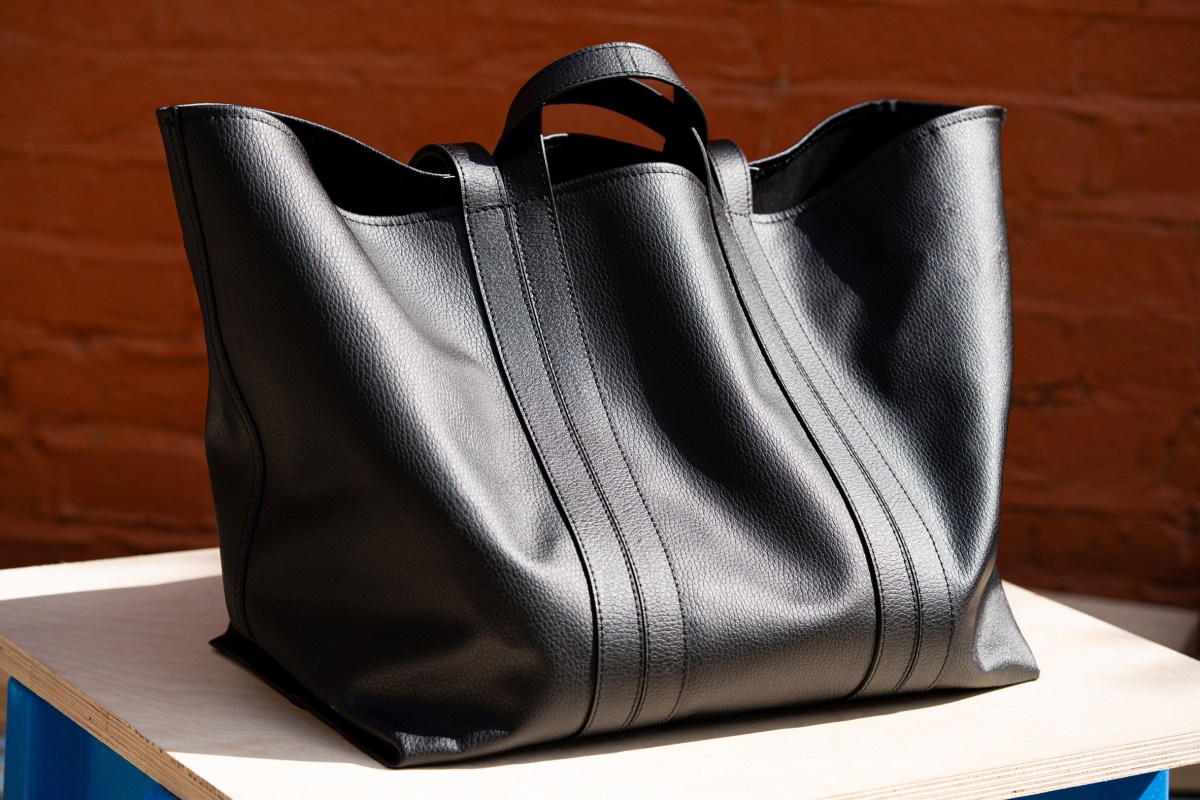
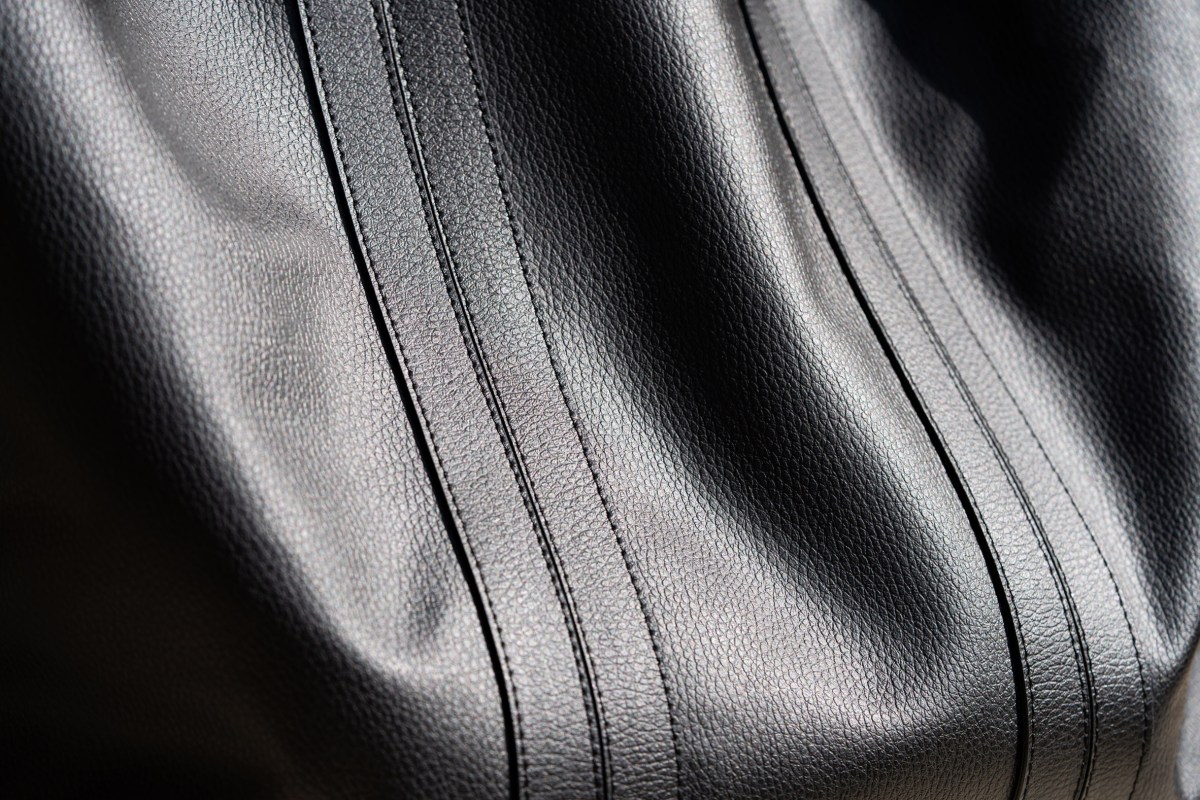
Leather alternatives have historically struggled with texture in two directions: either they look plasticky and unconvincing, or they’re so aggressively natural in appearance that they read as rustic rather than refined. New Grain navigates this well. The surface has a depth and irregularity that reads as genuine material rather than coating, and the way it takes colour — deep blacks, warm tans — suggests a material with real dye affinity and longevity.
The Bigger Picture
The leather industry is one of the more environmentally fraught in fashion and design — intensive in water use, reliant on the emissions-heavy cattle industry, and heavily dependent on chemical tanning processes. Bio-based alternatives address different parts of that problem with different degrees of success. New Grain’s particular appeal is the closed-loop logic: the brewing industry produces the waste, the material industry transforms it, and the design world gives it a second life as something people will keep and care for. That’s a circular economy story with real coherence, not just good marketing copy.
What It Means for Your Home
For those thinking about the objects they bring into their homes, materials like New Grain represent a genuinely new option — not a guilty compromise, but a considered choice with its own aesthetic. Whether it’s a cardholder on your desk, a bag by your door, or eventually upholstery on a chair, the question of what your leather-look objects are actually made of is worth asking. Arda is making it easier to answer that question well.
 Whole Earth Home