
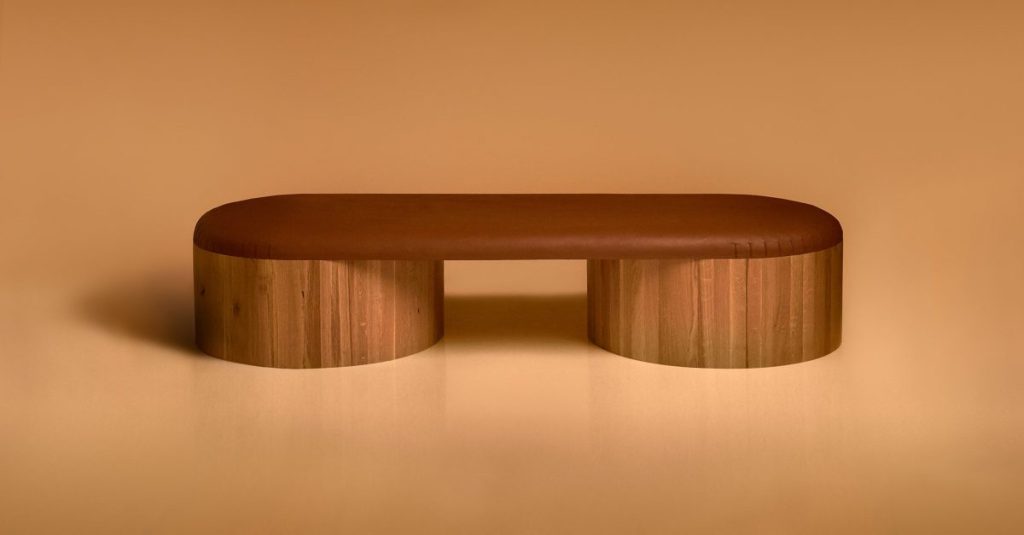
Most furniture is designed to last a decade. Some is designed to last a lifetime. Joe Doucet’s Oublier collection is designed to last a thousand years — and the distinction is not hyperbole. It’s a design philosophy made material.

The Oublier Collection
Doucet — one of America’s most celebrated industrial designers — has spent years thinking about what it would mean to make objects that transcend the typical lifecycle of designed goods. The Oublier (French for “to forget,” as in to forget time) collection is the result: a series of seating pieces built from materials chosen specifically for their centuries-long durability. Stone bases. Hand-stitched leather. The kind of construction that acknowledges future owners who haven’t been born yet.
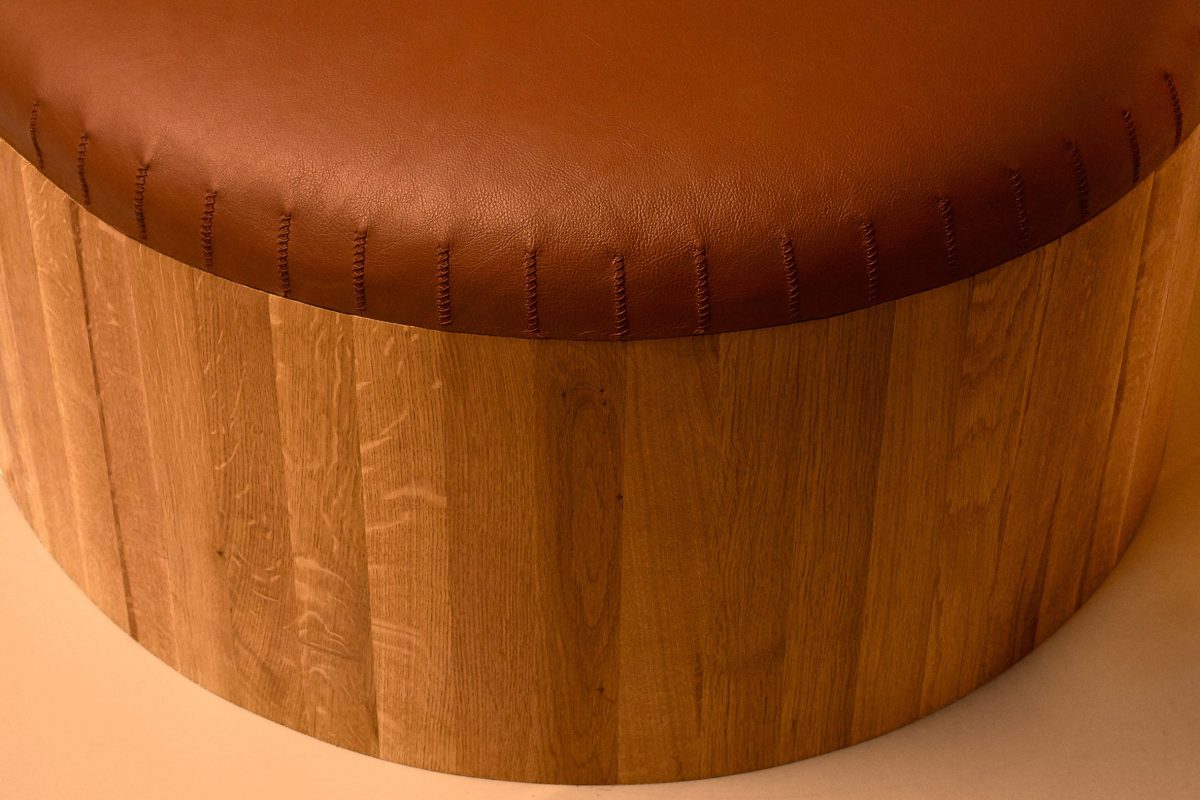
What Thousand-Year Design Actually Looks Like
It looks, pleasingly, like furniture you’d actually want to own right now. The Oublier pieces are quietly beautiful — oval-formed seats on sculptural column bases, the proportions balanced between the monumental and the domestic. There’s a restraint to the aesthetic that makes sense for objects intended to outlast trends by centuries. The pieces aren’t trying to be of their moment. They’re trying to be of every moment.
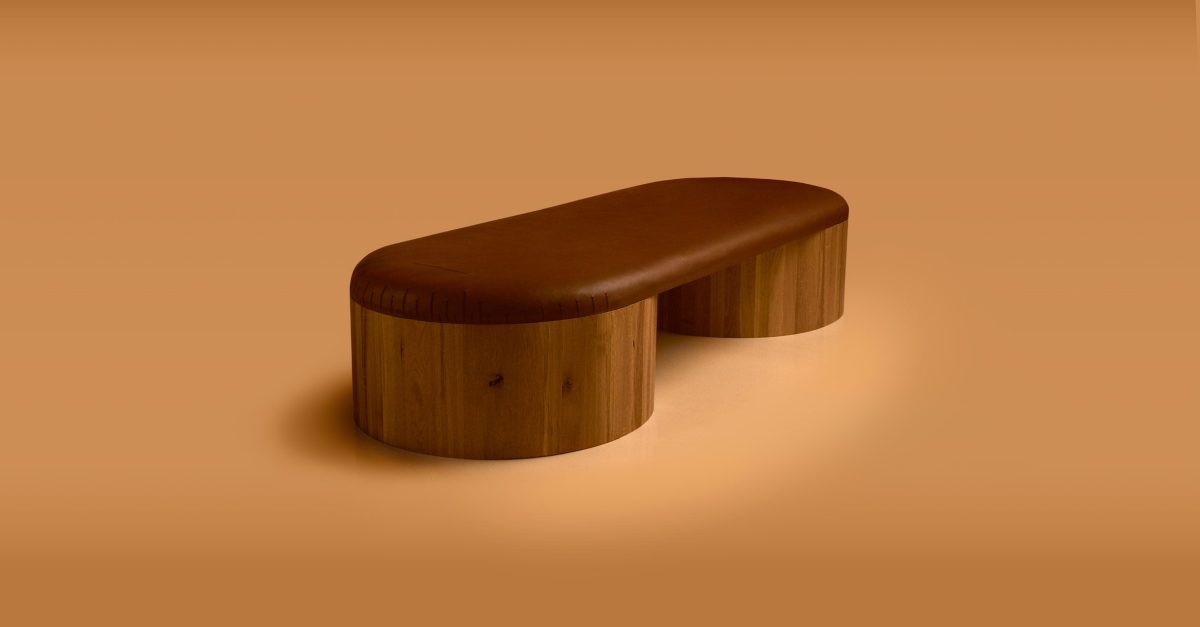
The Craft Underneath
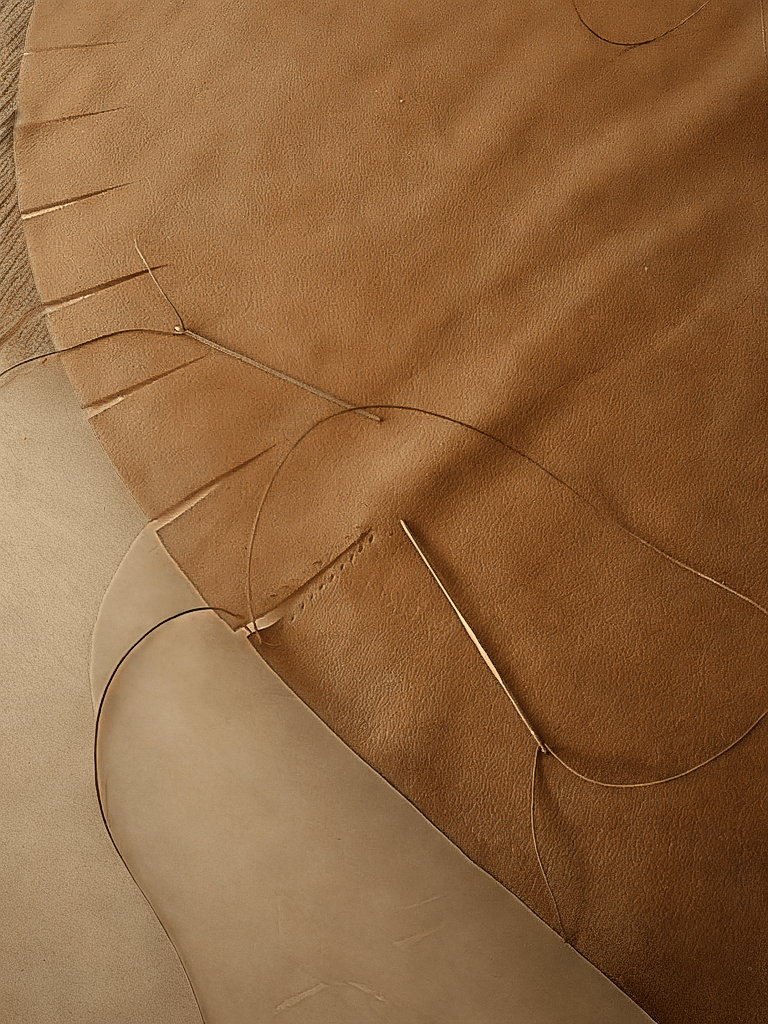
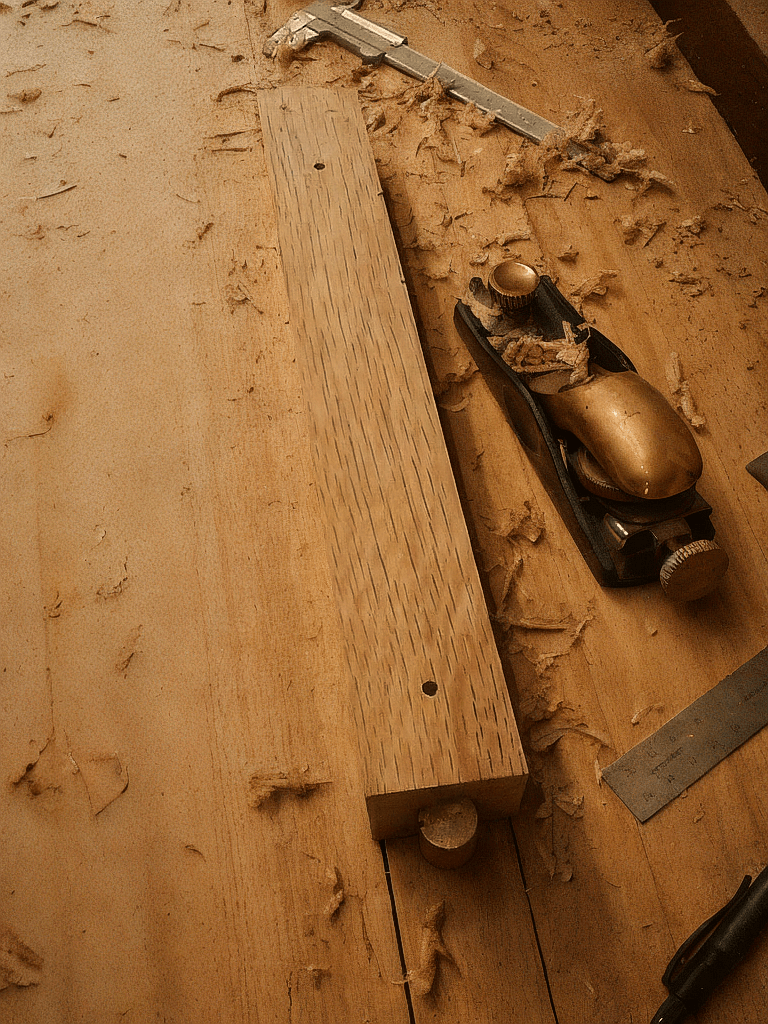
What makes the longevity claim credible is the process. Each piece is made by hand — leather cut and stitched with the precision of a saddler, wood worked with traditional joinery techniques that predate power tools. These aren’t assembly-line objects with a luxury price tag; they’re genuinely artisanal, in the original sense of the word. The process photographs tell that story plainly: workbenches scattered with hand tools, material treated with care and patience.
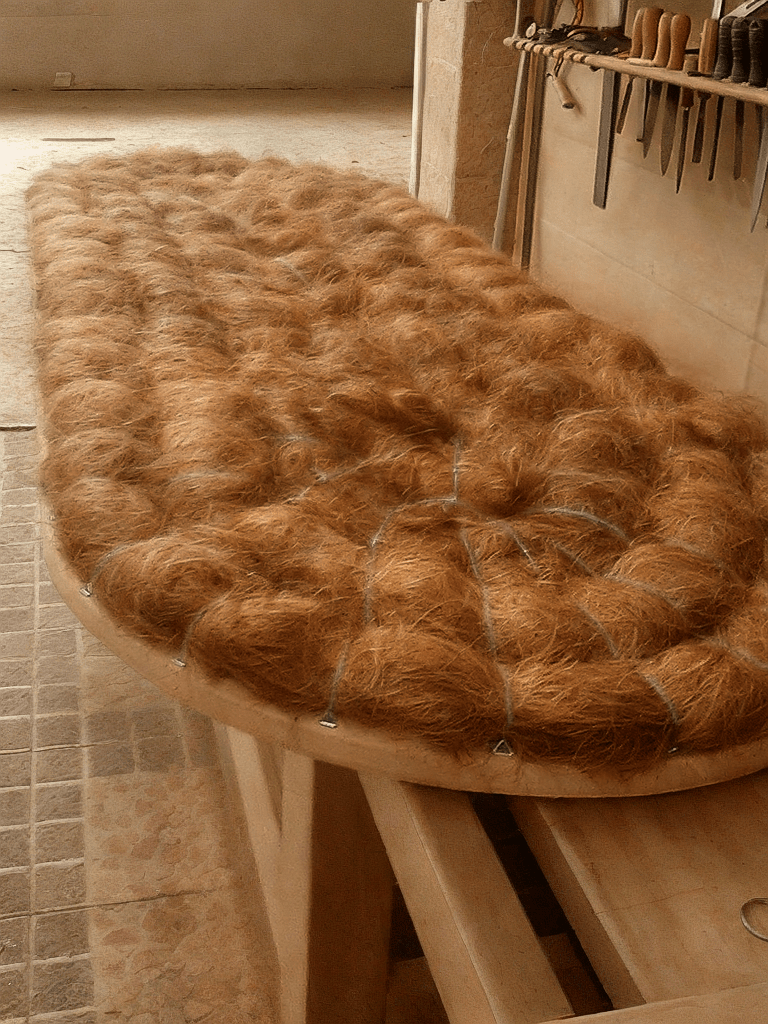
A Counter-Argument to Fast Furniture
In a market dominated by flat-pack convenience and planned obsolescence, Oublier makes an elegant counter-argument. The environmental case for buying one exceptional object rather than five replaceable ones is increasingly well understood — less production, less waste, less extraction. But Doucet’s collection adds an emotional dimension to that argument: what if the furniture in your home was worth inheriting? What if it was worth having a conversation about, decades from now, about who made it and why?
The Investment Framing
Oublier is not inexpensive, and it’s not meant to be. The framing Doucet invites is closer to fine jewellery or a quality watch than to conventional furniture retail: something you choose carefully, take care of, and eventually pass on. For a home conceived around the principle that the objects in it should be worth keeping, that framing makes complete sense.
 Whole Earth Home