
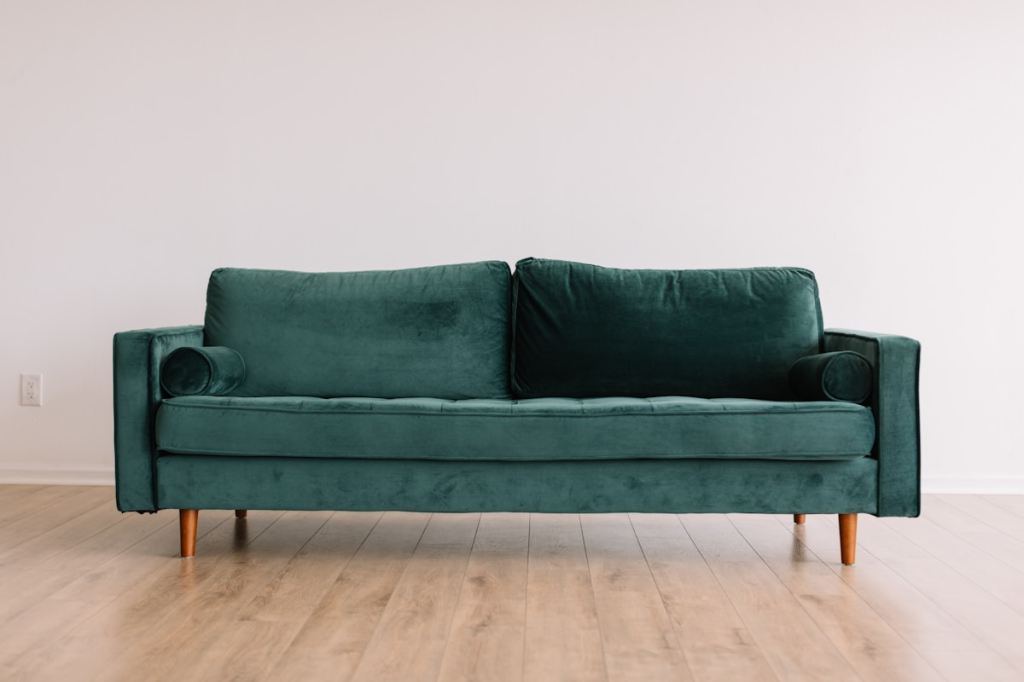
Sustainable furniture is having a moment — and like most moments in the eco space, it risks being hijacked by the wrong conversation. Recycled plastics, FSC certifications, flat-pack designs that minimize shipping emissions: these are the talking points. They are not wrong, exactly. But they miss the most sustainable furniture choice you can make, which is much simpler and much older: buy something so well made that you never need to replace it.
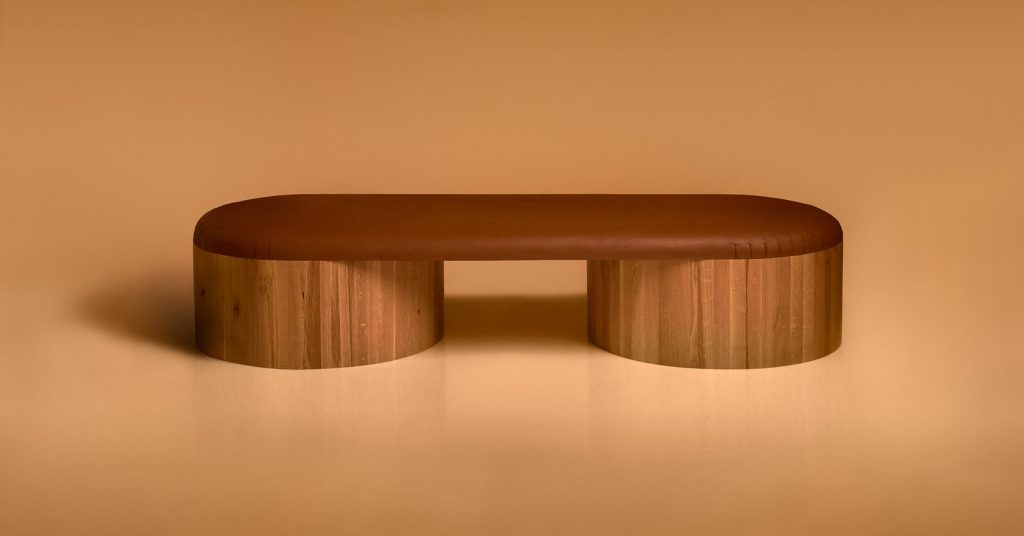
Joe Doucet’s Columns collection makes this case beautifully — and without a single recycled component in sight. The collection is built from solid white oak, vegetable-tanned leather, and natural horsehair. These are materials chosen not because they score well on a sustainability checklist, but because they age. They patina. They develop character the longer they’re used. A chair that becomes more itself over thirty years is, by any honest accounting, more sustainable than one made from recycled ocean plastic that needs replacing in eight.
“The most sustainable piece of furniture is the one you keep forever. Everything else is just materials management.”
The 1,000-Year Design Philosophy
Doucet has spoken about designing for what he calls “1,000-year thinking” — the idea that the objects we make should be considered against geological rather than commercial timescales. This is not a marketing position. It’s a design constraint that changes every decision: joinery over fasteners, natural finishes over synthetic coatings, forms classic enough to remain relevant across decades of changing taste.
The Columns pieces — a sofa, lounge chair, dining chairs, and occasional tables — share a vocabulary of vertical fluting that references both classical architecture and natural forms. They are immediately distinctive without being fashionable. That distinction matters: fashionable furniture becomes dated; distinctive furniture becomes antique.

What This Means for Your Home
The practical takeaway is this: when evaluating a furniture purchase through a sustainability lens, ask not what it’s made of but how long it will last and whether you’ll still want it in twenty years. Natural materials — solid wood, leather, linen, wool — answer both questions well. They age gracefully, they can be repaired, and they carry a sensory quality that synthetic alternatives simply don’t replicate.
- Solid wood over veneer or MDF — it can be refinished and repaired indefinitely
- Vegetable-tanned leather over chrome-tanned — it develops patina rather than cracking
- Natural upholstery fills (horsehair, wool, down) over foam — they last decades longer
- Traditional joinery over screws and dowels — it holds for generations
This is slow living applied to the objects that furnish your life. Buy less. Buy better. Keep it longer. That’s the whole equation.
 Whole Earth Home