
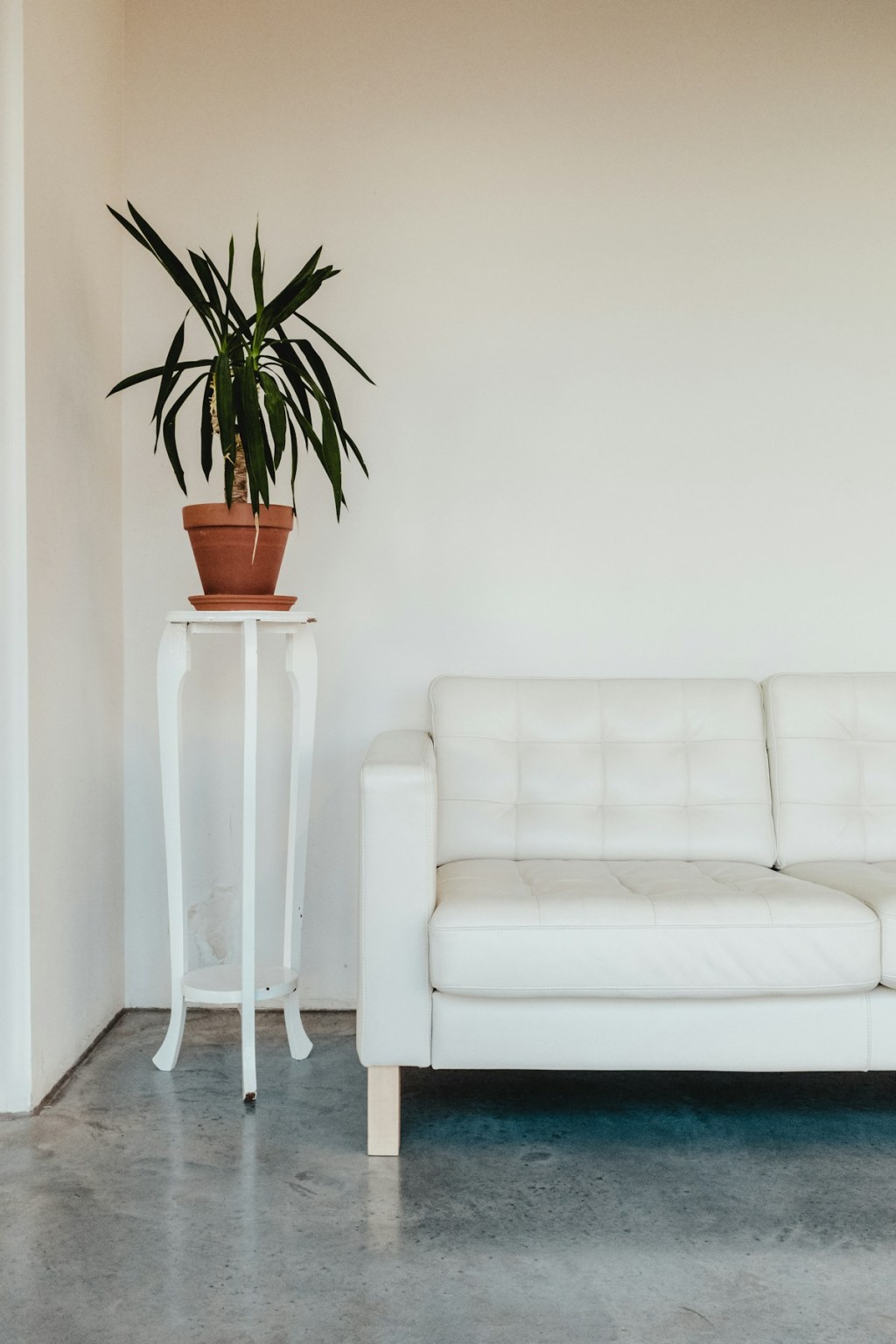
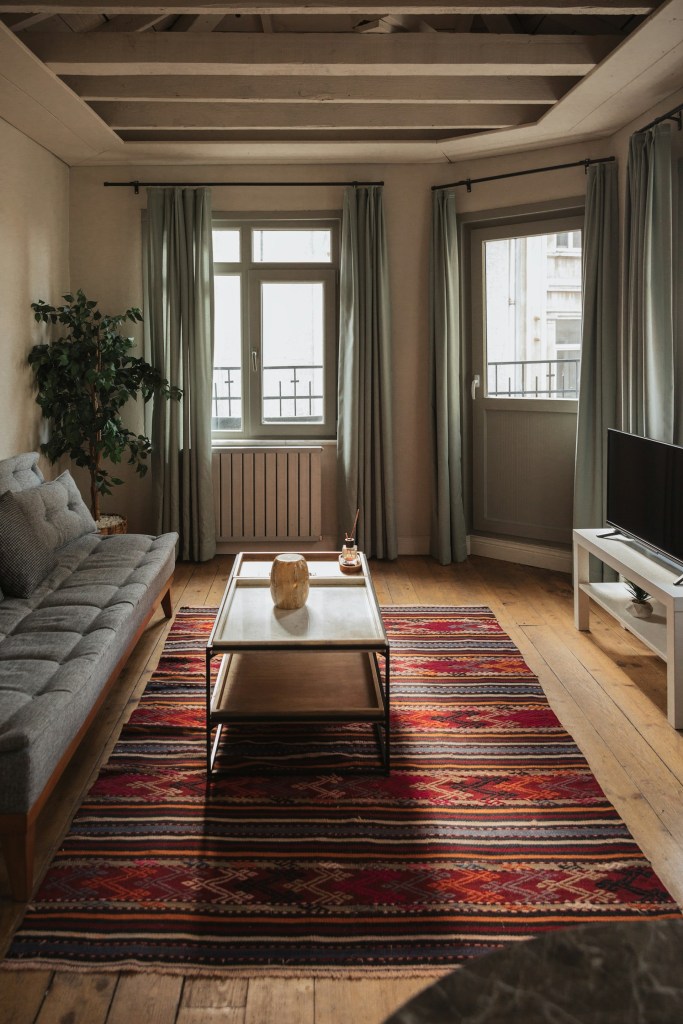
There’s a quality to a room furnished with natural materials that’s difficult to name precisely but immediately recognizable when you walk into it. It isn’t just warmth, though warmth is part of it. It isn’t just beauty, though rooms done this way tend to be beautiful. It’s something closer to coherence — the sense that the objects in the space belong to the same world as the people in it, rather than existing in some parallel dimension of synthetic perfection.
Natural materials home decor has become something of a trend label, which is unfortunate, because it makes something ancient and intuitive sound like a passing aesthetic preference. Linen, wool, timber, stone, leather, clay — these are the materials human beings have lived alongside for thousands of years. Our nervous systems recognize them. The way they absorb light, the way they feel underfoot or under hand, the way they smell in different seasons: all of it registers in ways that synthetic materials simply don’t.
“Natural materials don’t just look different — they feel different. And that difference has nothing to do with trend.”
Why Texture Changes Everything
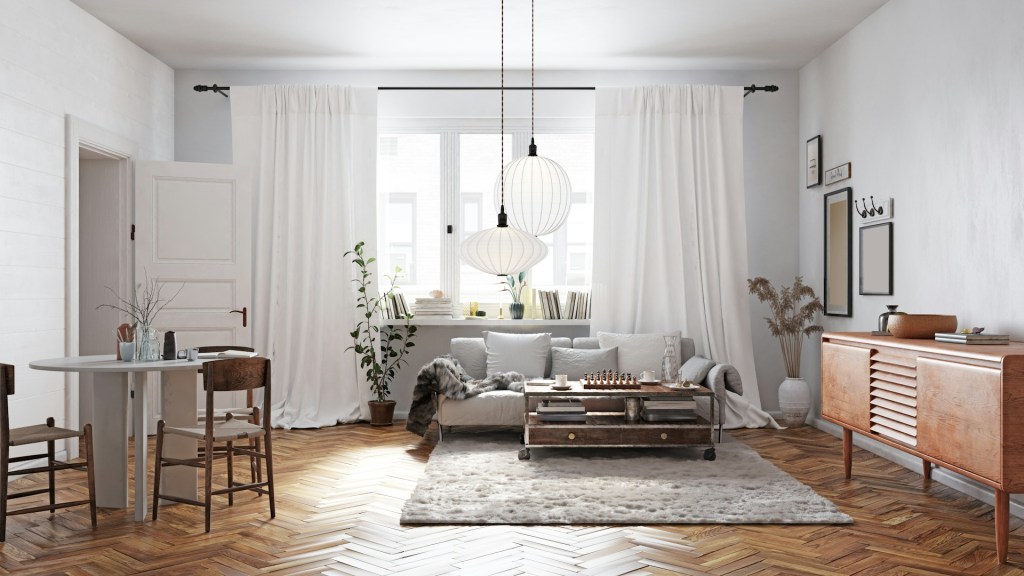
Much of what makes natural materials work in a home is their textural complexity. A linen sofa cover isn’t just “a fabric” — it has visible weave variation, slight irregularity, a surface that shifts in raking light. A timber floor isn’t just “a floor” — it has grain, knots, subtle tonal variation across boards. These micro-variations are what give natural material rooms their quality of feeling considered and alive rather than showroom-flat.
Synthetic materials are too consistent. Their regularity — achieved through manufacturing precision — is, paradoxically, what makes them feel lifeless. The eye and hand are not fooled. They register the difference even when the mind doesn’t consciously note it.
Where to Start If You’re Transitioning a Space
You don’t need to replace everything. The leverage points in any room are the surfaces you touch most and the largest visual fields. Prioritize in this order:
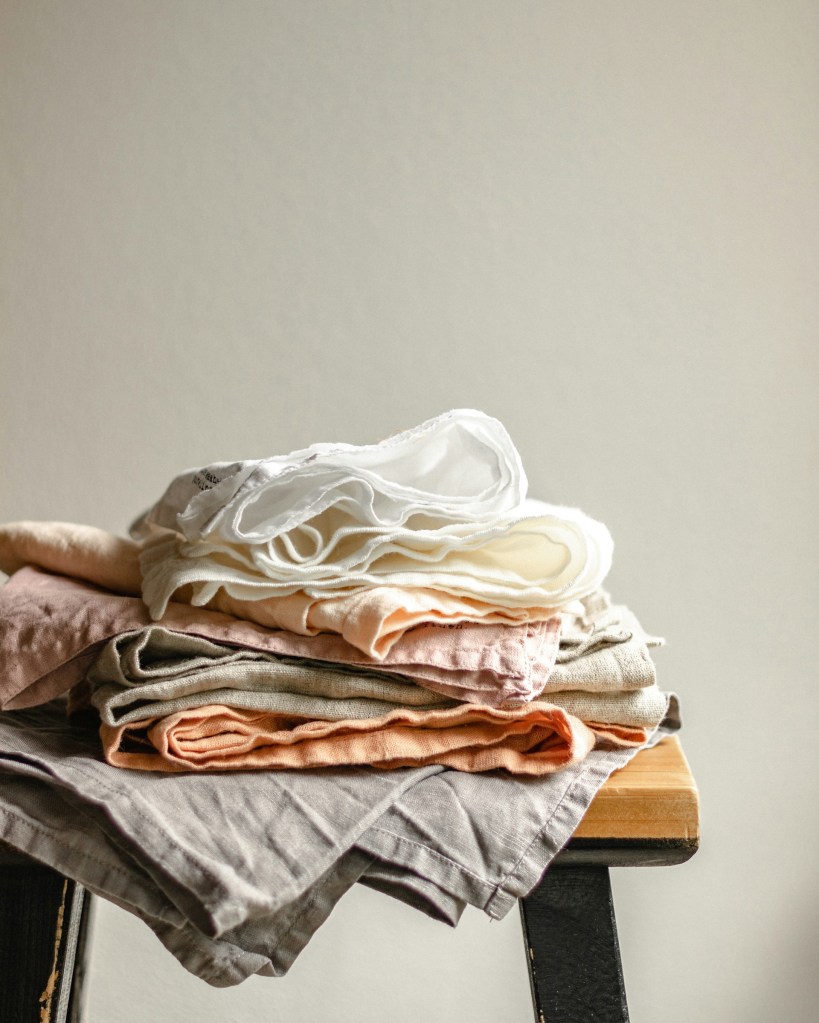
- Textiles first: Swap synthetic cushion covers and throws for linen, cotton, or wool. Immediate impact, low cost.
- Rugs second: A wool or jute rug anchors a room and adds acoustic softness. This single change transforms the feel underfoot and the sound of a space.
- Hard surfaces when you can: Timber, stone, and terracotta are longer investments but the most transformative. Even a stone or ceramic side table makes a difference.
- Greenery throughout: Living plants are the ultimate natural material — they move, they breathe, they change with the seasons.
The goal isn’t a particular look. It’s a particular feeling: the sense that your home is made of things that belong to the same world you do.
 Whole Earth Home