
Most eco-friendly home guides cover the same short list: solar panels, LED bulbs, a smart thermostat. Those are all worth doing. But after a while, they start to feel like the basics. The upgrades that tend to make the biggest real-world difference are often the ones that fly under the radar, quietly working in the background day after day.
At Whole Earth Home, we think a truly sustainable home isn’t built in one big renovation. It comes together gradually, one good decision at a time. So here’s a look at the upgrades most people skip over, and why they deserve a closer look.
1. Insulation: The Unglamorous Hero of Green Living
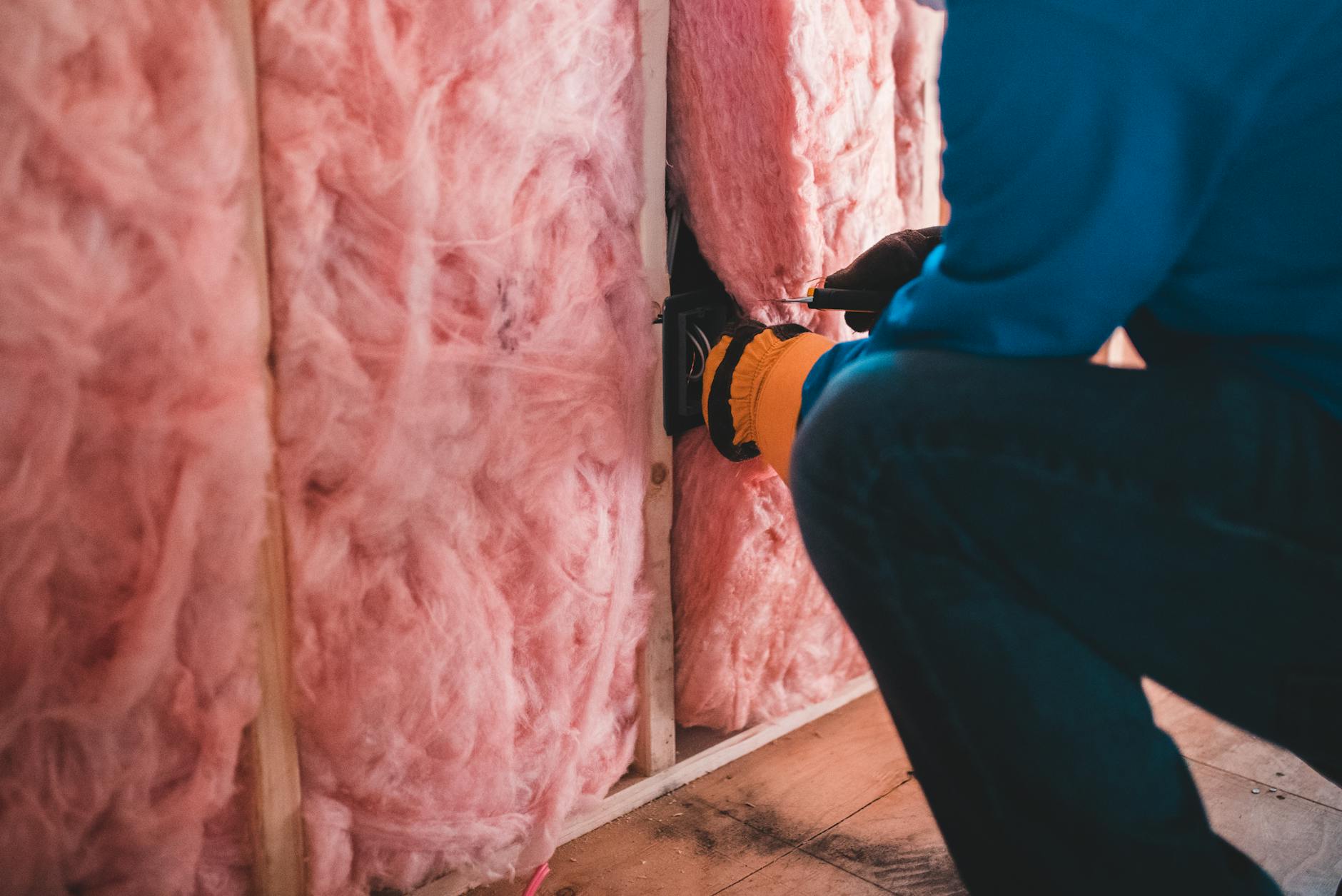
It won’t make for a pretty Instagram post, but nothing will reduce your home’s energy consumption more consistently than good insulation. Studies show that homes without adequate insulation can lose up to 45% of their heat. That means your heating system is running constantly just to compensate for what’s slipping out through the walls and ceiling.
Start with the roof, where the most heat escapes, then work your way to walls and floors. And if you want to go beyond standard fiberglass batts, there are some genuinely interesting natural options now: recycled denim, sheep’s wool, and hemp insulation are all highly effective, non-toxic, and far easier on the planet. A properly insulated home stays comfortable in summer and winter without working nearly as hard, which means lower bills and less fuel burned over the long run.
Not sure where to start? An energy audit through your utility provider is often free or very low cost, and it’ll show you exactly where your home is losing heat and money.
2. Rainwater Harvesting: Let Your Roof Do Some Work
Every time it rains, thousands of gallons of perfectly usable water run off your roof, down the gutters, and straight into the stormwater system. A rainwater collection setup changes that equation completely.
At its simplest, this is just a rain barrel or cistern connected to your downspouts. The collected water works great for irrigating your garden, topping off a pond, or washing the car. More involved systems can filter and treat rainwater for toilets, washing machines, and even drinking water with the right setup.
Rainwater is also naturally soft and low in chlorine, which your garden plants genuinely prefer. And in regions where rainfall is becoming less predictable, having stored water on hand gives you a real buffer during dry spells. It’s one of those upgrades that starts paying off the very first time it rains.
3. Low-Flow Fixtures: Small Swap, Meaningful Savings
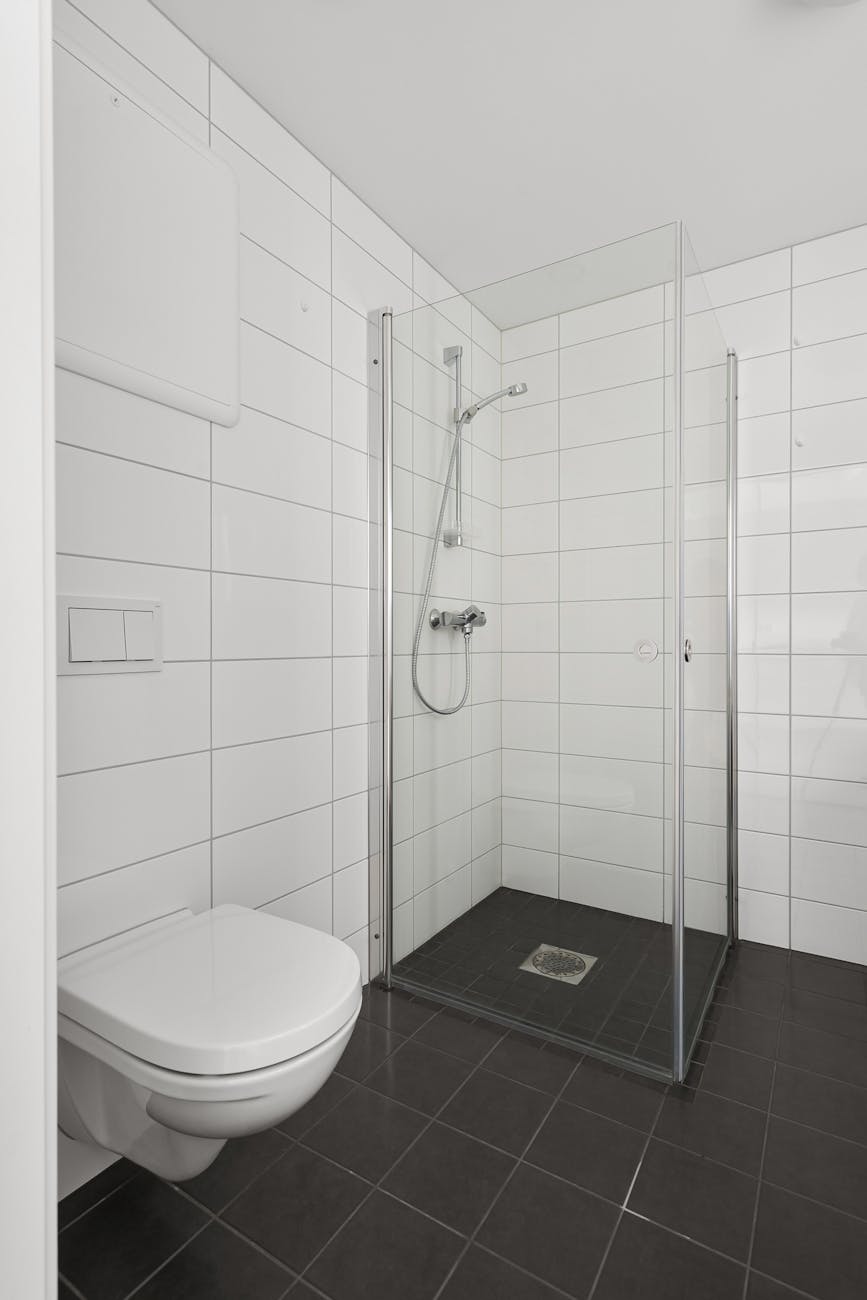
The average American household uses somewhere between 80 and 100 gallons of water per person each day. A good chunk of that disappears through showers and faucets that are simply running harder than they need to.
Modern low-flow showerheads and faucet aerators have come a long way. The best ones feel indistinguishable from conventional fixtures in terms of pressure and comfort, but they can cut water use by 30 to 50 percent without changing anything about your daily routine. Add a dual-flush toilet and the savings stack up quickly.
This is probably the most affordable upgrade on this whole list, and the return is almost immediate, both in your water bill and your overall footprint.
4. Eco-Paints and Natural Finishes: What’s on Your Walls Matters
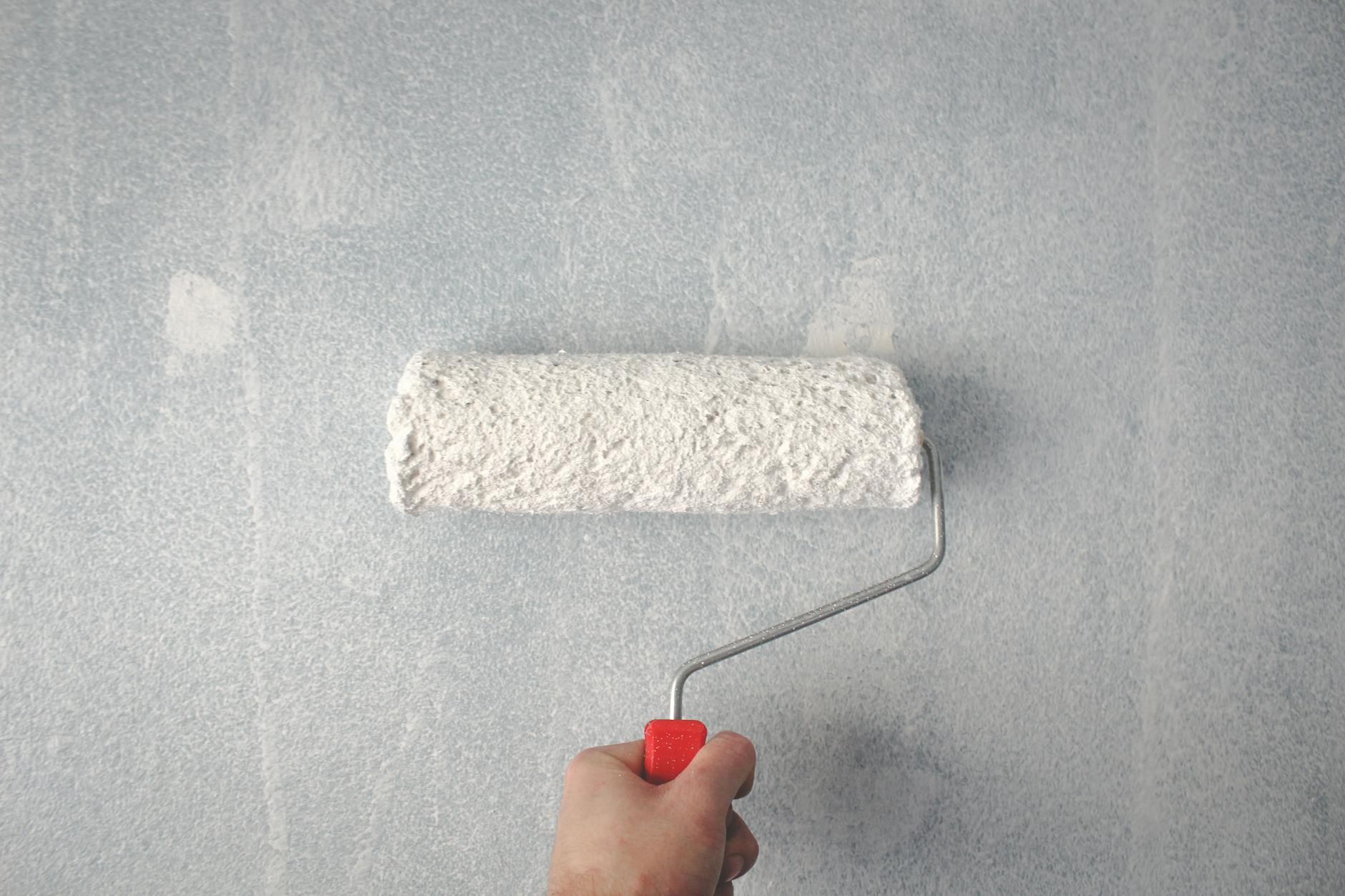
Conventional paints contain volatile organic compounds, or VOCs. These are the chemicals behind that fresh-paint smell, and they keep off-gassing into your indoor air long after the job is done. Studies have found that indoor air can be two to five times more polluted than outdoor air, and synthetic finishes are a real contributor to that.
The good news is that natural and zero-VOC paints are widely available now, and genuinely beautiful to look at. Mineral-based options like limewash and chalk paint bring texture and depth that regular latex just can’t match. Clay plasters and natural wall finishes are having a serious moment in interior design right now, and it’s easy to see why. They breathe, they help regulate humidity, and they age gracefully.
For floors and woodwork, look for water-based varnishes and natural oils like linseed or tung oil. Your air quality will be noticeably better, and so will the way your home feels to be in.
5. Reclaimed and Natural Materials: Build With a Little History

Every piece of reclaimed wood, salvaged brick, or vintage tile you use is one fewer new resource extracted from the earth. Beyond the environmental benefit, reclaimed materials just have a quality that new ones can’t fake. The grain patterns, the weathering, the wear. There’s something there that takes decades to develop.
When reclaimed isn’t an option, think about the full lifecycle of what you’re buying. Bamboo is one of the fastest-growing plants on the planet and makes beautiful, durable flooring. Cork is harvested without cutting down trees, it’s naturally antimicrobial, and it feels great underfoot. Recycled glass tiles can look stunning in kitchens and bathrooms. And stone, while heavy to transport, is essentially permanent. It never needs replacing and requires no chemical treatments to maintain.
There’s also a simple durability argument here. Sustainable materials tend to age with character rather than looking dated after a few years. That’s its own kind of sustainability.
6. A Little Biophilia Goes a Long Way
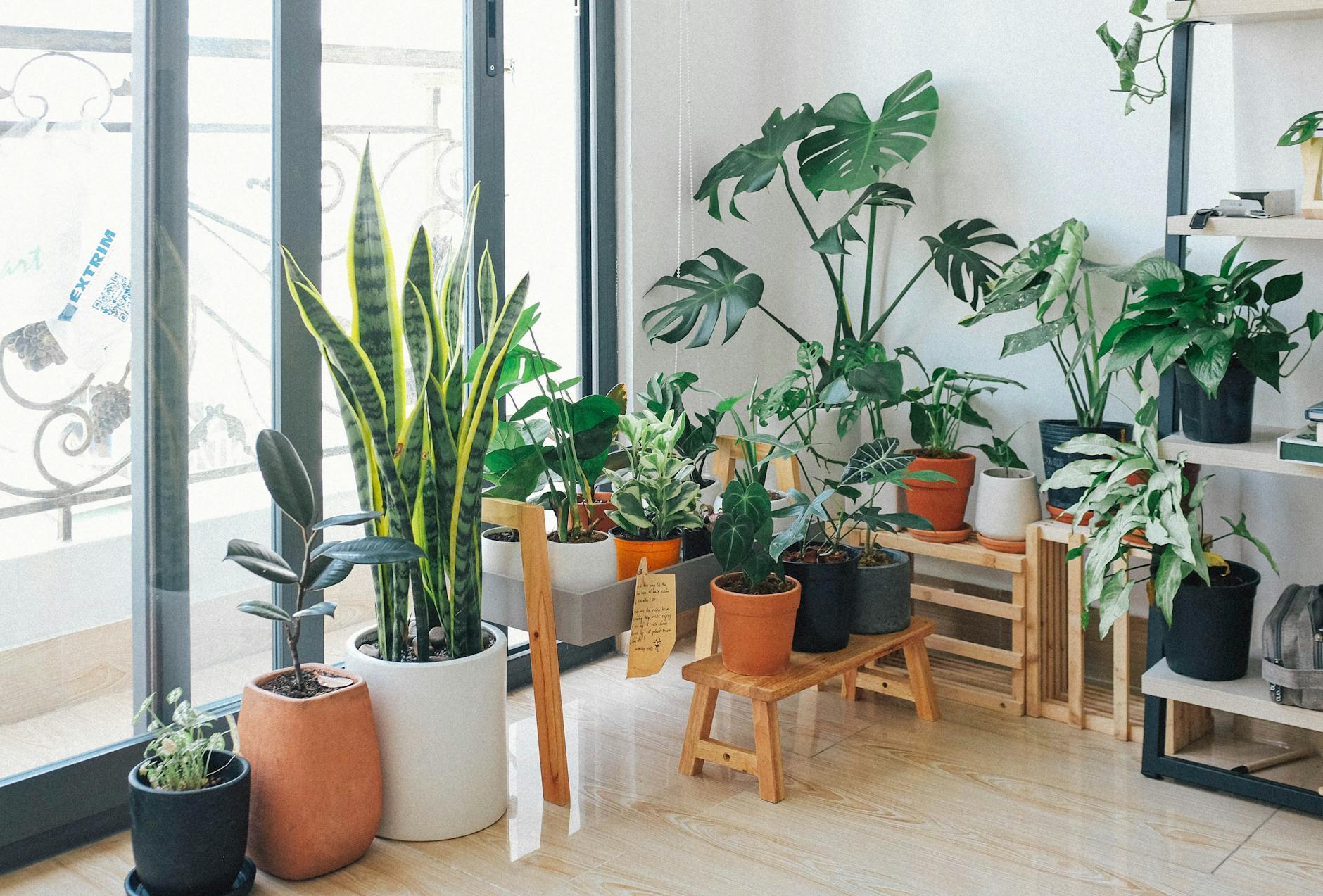
We’ve covered biophilic design here before, but it earns a spot on this list because it’s often treated as purely decorative. In reality, it has measurable effects on wellbeing, air quality, and even how much noise you hear inside your home.
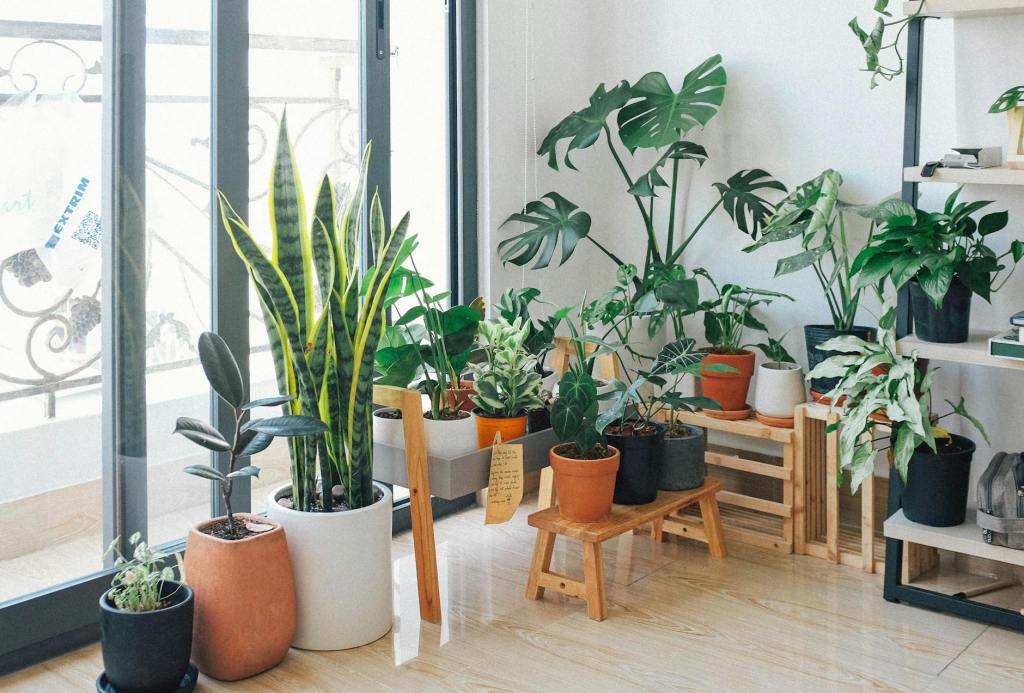
Living walls and indoor plants filter particulates and VOCs from the air. Species like pothos, peace lilies, and snake plants are particularly effective and pretty low-maintenance. Maximizing natural light cuts your dependence on artificial lighting and has real effects on mood and sleep. Natural textures like wood, stone, linen, and jute create a kind of sensory grounding that synthetic surfaces don’t.
None of this requires a full renovation. It’s more of a mindset shift: reaching for natural over synthetic when you have the choice, and finding small ways to bring the outside world in.
Start Where You Are
You don’t have to do all of this at once. The most sustainable approach is honestly just the one you’ll follow through on. Pick the upgrade that makes the most sense for your home right now, whether that’s finally tackling that drafty attic or picking up a low-flow showerhead this weekend, and go from there.
A better home isn’t a destination. It’s just a direction you keep moving in.
Which of these upgrades are you most curious about? We’d love to hear what you’re working on. Drop a comment below or share your project with the community.
 Whole Earth Home