
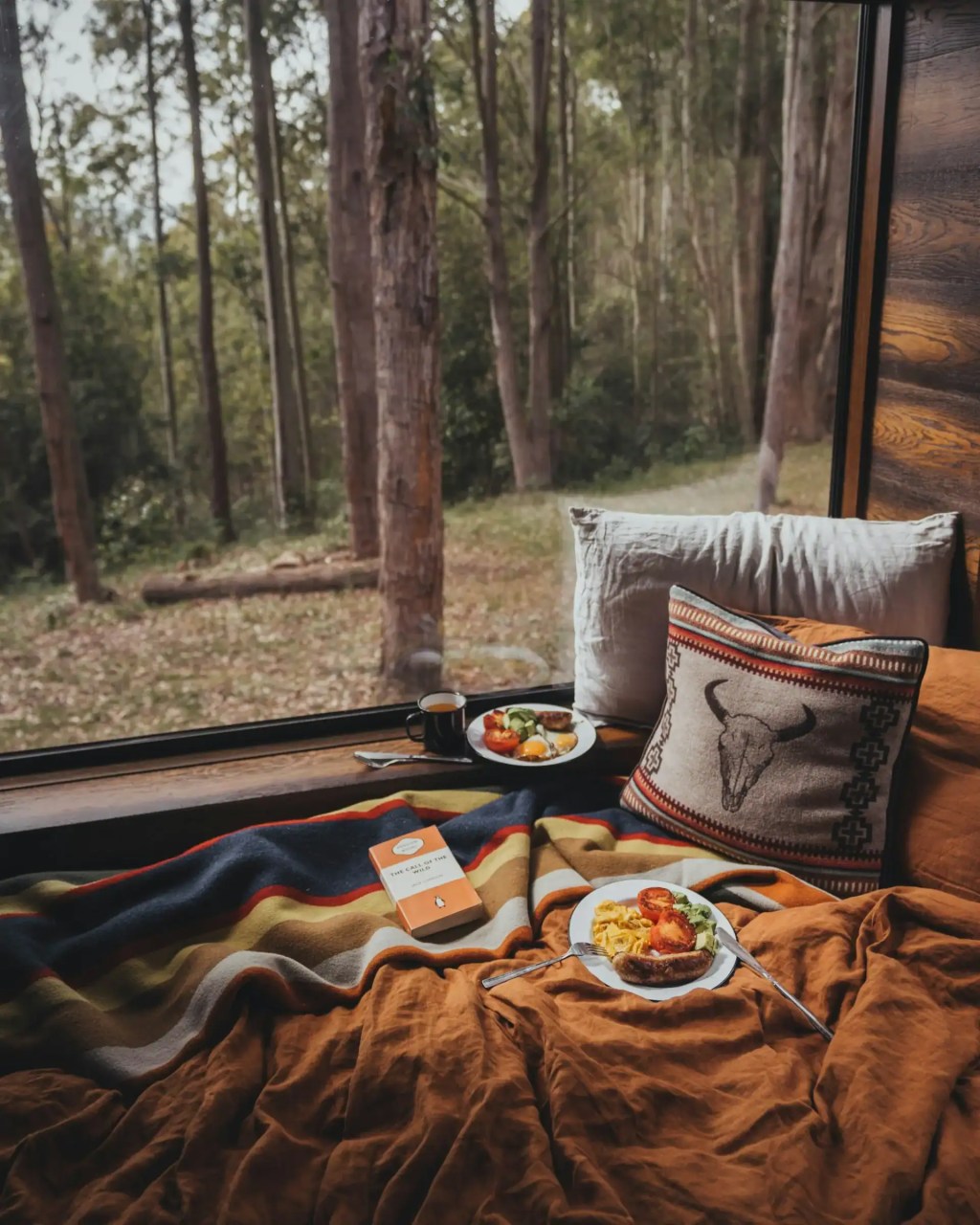
Mist hangs low over the ancient Sitka spruce trees along the northern coast. The cold Pacific Ocean rhythmically washes over the wide sandy expanse of North Beach. This remote corner of the earth offers a sensory experience for many travelers.
People now look for ways to disconnect from loud digital noise every day. They want to reconnect with the natural cycles of the coastal environment. Finding a balance between modern comfort and raw nature is a common goal. These islands provide a rare chance to live within a managed ecosystem. This territory has supported human life for thousands of years.
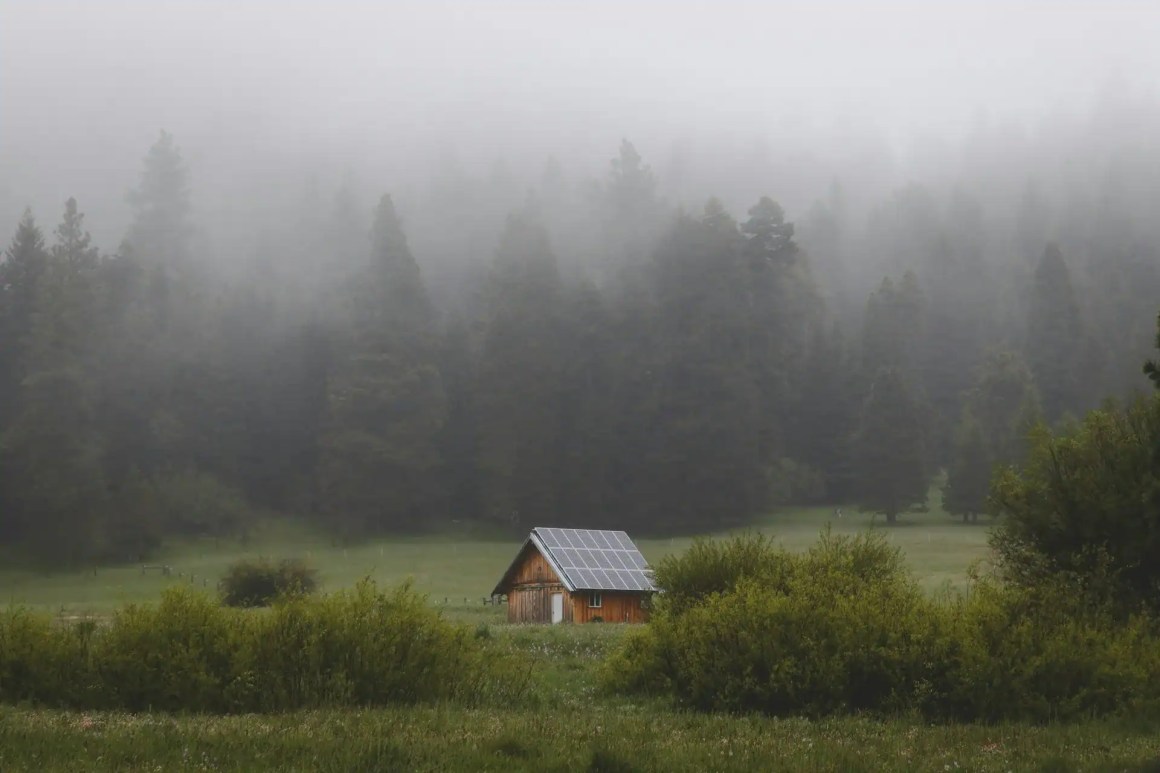
Choosing a remote stay allows visitors to experience the archipelago as residents. The architectural beauty of these spaces mirrors the complexity of the woods. You begin to notice the subtle textures of the terrain very quickly. The sound of the wind through cedar branches is very clear. This shift in perspective is the true reward of a long journey. It is a chance to see how people live with nature. Human habitation can exist in harmony with a powerful wild environment. Every step on the forest floor feels like a lesson in history.
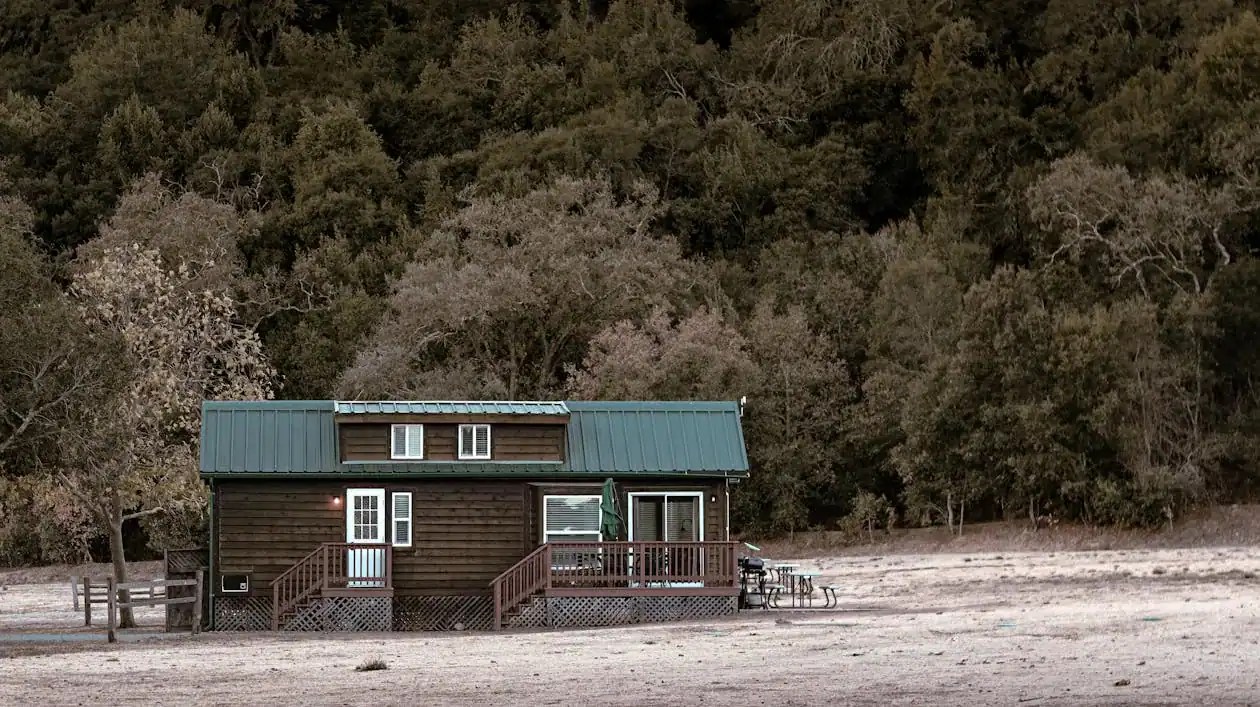
Photo by Dudubangbang Travel
Architectural Harmony with Coastal Environments
Modern off-grid structures often use historical building techniques to manage heat. In northern coastal regions, the longhouse design is a masterclass in functional architecture. These buildings use heavy timber frames and cedar cladding to survive rain. They provide large communal spaces while standing up to salty sea air. When planning a trip for camping in Haida Gwaii, visitors often seek these traditional forms. They offer a sense of place that a standard tent cannot provide. The visual value of these structures lies in their total simplicity. They blend into the surrounding treeline without looking like an eyesore.
Sustainable Material Choices
The materials used in coastal construction must be durable and strong. Designers who focus on these environments prioritize regional resources for their strength. Using wood from the area helps the building last for many decades.
- Red cedar has natural oils that prevent rot in wet weather.
- Heavy stone foundations provide stability against the strong ocean winds.
- Large glass panes are positioned to capture the limited winter sun.
- Metal roofing develops a protective layer that resists corrosive sea air.
Minimalist Interior Design
Inside these structures, the focus remains on the relationship with the view. Architects allow the natural grain of the wood to be the focus. This approach creates a calm atmosphere that encourages rest and quiet thought. You can see how modular design and sustainable materials create efficient living spaces. These methods ensure that the building remains a part of the habitat. Minimalist interiors help a person feel more connected to the outdoor scenery. Small spaces work better when they have high ceilings and natural light.

Cultural Importance of the Geography
Haida Gwaii represents the living history of the Haida people. They have lived on these islands since the beginning of time. The soil is managed with a focus on conservation and site preservation. These village sites tell the story of a very smart society. Visitors who stay in community owned places help the nearby economy. They also support efforts to keep the indigenous culture strong and healthy. This relationship creates a travel experience rooted in deep respect. The architecture of the guest longhouses honors the past through modern shapes.
Stewardship and Regional Care
The management of the islands is a team effort for everyone. It prioritizes the health of the forest and the nearby sea. Understanding the area laws is an important part of being a guest.
- The Watchmen program protects sensitive cultural sites on the islands.
- Harvesting agreements ensure that logging stays within very strict limits.
- Protected marine areas help keep the intertidal zones full of life.
- Community groups work to restore salmon homes in the river networks.
Authentic Cultural Connection
Living on traditional ground provides a different view of what comfort means. The real luxury here is the access to quiet and ancient wisdom. You can find information on protected areas and land use cycles through tribal resources. These documents explain why certain areas remain untouched for many years. They show how the community plans for the children of the future. Guests find that the lack of electricity encourages a slower lifestyle. This pace matches the rhythm of the tides and the birds.
Practicalities of Living Without a Power Grid
Moving away from the power grid requires a shift in daily habits. Lighting becomes a deliberate choice involving lanterns or solar powered fixtures. These lights cast a soft glow in the evenings inside the cabin. Heating usually comes from wood stoves which require physical work every day. You must stack the fuel and tend the fire to stay warm. These actions turn small chores into practices that ground you. This lifestyle shows how much energy a typical house uses every hour. You learn to value every watt of power you generate yourself.
Energy and Resource Management
Operating a home without a city connection requires very smart engineering. These frameworks are designed to be circular and help the woods stay healthy. They minimize the impact of humans on the nearby water flow.
- Solar panels harvest energy during the long days of the summer.
- Rainwater collectors provide clean water for washing and basic cooking.
- Composting setups turn waste into soil for the forest floor.
- Gravity fed water lines eliminate the need for loud electric pumps.
The Science of Remote Mechanisms
The technical side of remote living is a very interesting field. It combines old knowledge with new tools to save the environment. Many remote sites use hardware to keep chemicals out of the dirt. This focus on circular systems in modern housing shows how humans can live responsibly. Understanding these mechanisms helps travelers appreciate the effort of living well. It creates a sense of gratitude for basic things like water. You realize that modern life hides the cost of our daily habits.
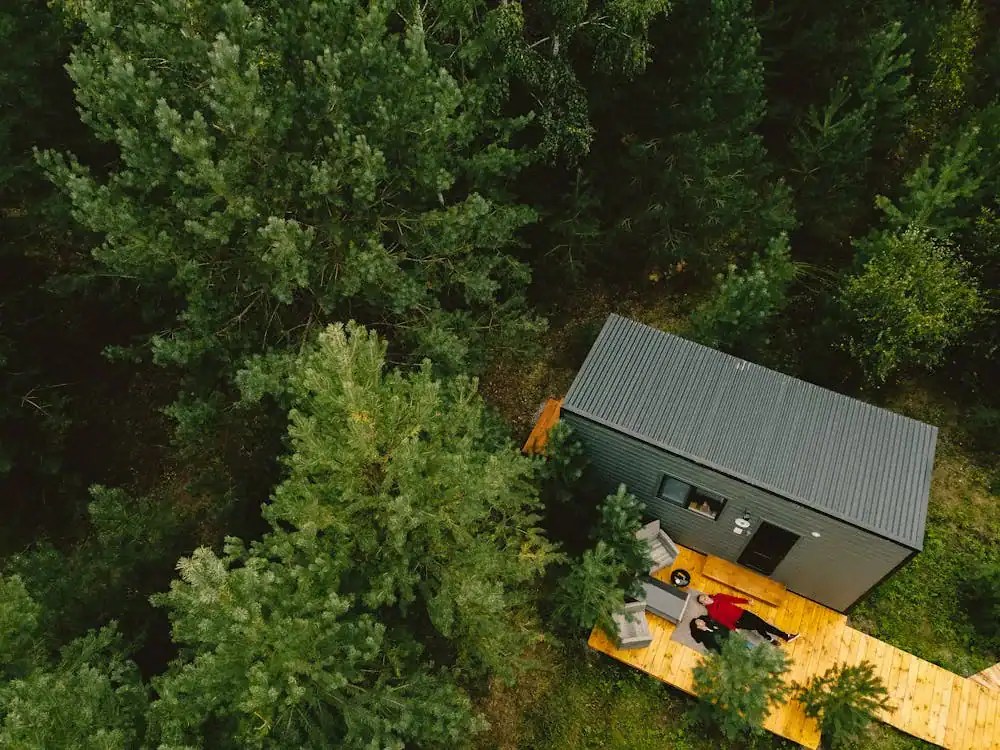
Photo by Евгений Шухман
Seasonal Shifts and Visual Styles
The visual character of the coast changes with the turning seasons. Summer brings long hours of bright light that hits the green moss. The beach becomes a place for long walks to watch the whales. The light is crisp and clear for anyone holding a camera. Every weather pattern brings a new layer of color to the rocks. The sandy stretches look different after every single high tide comes in. The summer sun makes the cedar wood look like bright gold.
The Winter Atmosphere
In the autumn and winter, the environment turns moody and full of mist. The longhouses provide a sturdy shelter against the cold winter wind. They create a cozy space inside for reading or talking with friends. Information on migratory patterns and coastal weather safety helps travelers plan. Each season offers a different look at how the forest works. The shift from July sun to November fog is very dramatic. Winter storms bring huge waves that reshape the entire coastline.
Connecting with the Natural World
Choosing a stay that helps the environment allows for deeper relaxation and mental clarity. You are not distracted by phones or loud internet notifications here. Your attention naturally turns toward the trees and the small animals. You might notice the specific way a raven flies in the wind. You see the different types of shells on the wet sand. These small details build a picture that stays in your mind. The goal is to exist within the place for a time. This approach ensures the beauty of the islands stays for the kids. Taking these lessons home leads to better choices in your daily life. You gain a higher appreciation for the earth and its natural rhythms.
 Whole Earth Home
One response to “Discover the Beauty of Off-Grid Accommodations”
[…] Full reading at Moss and Fog 2735 ♥ […]
LikeLike