
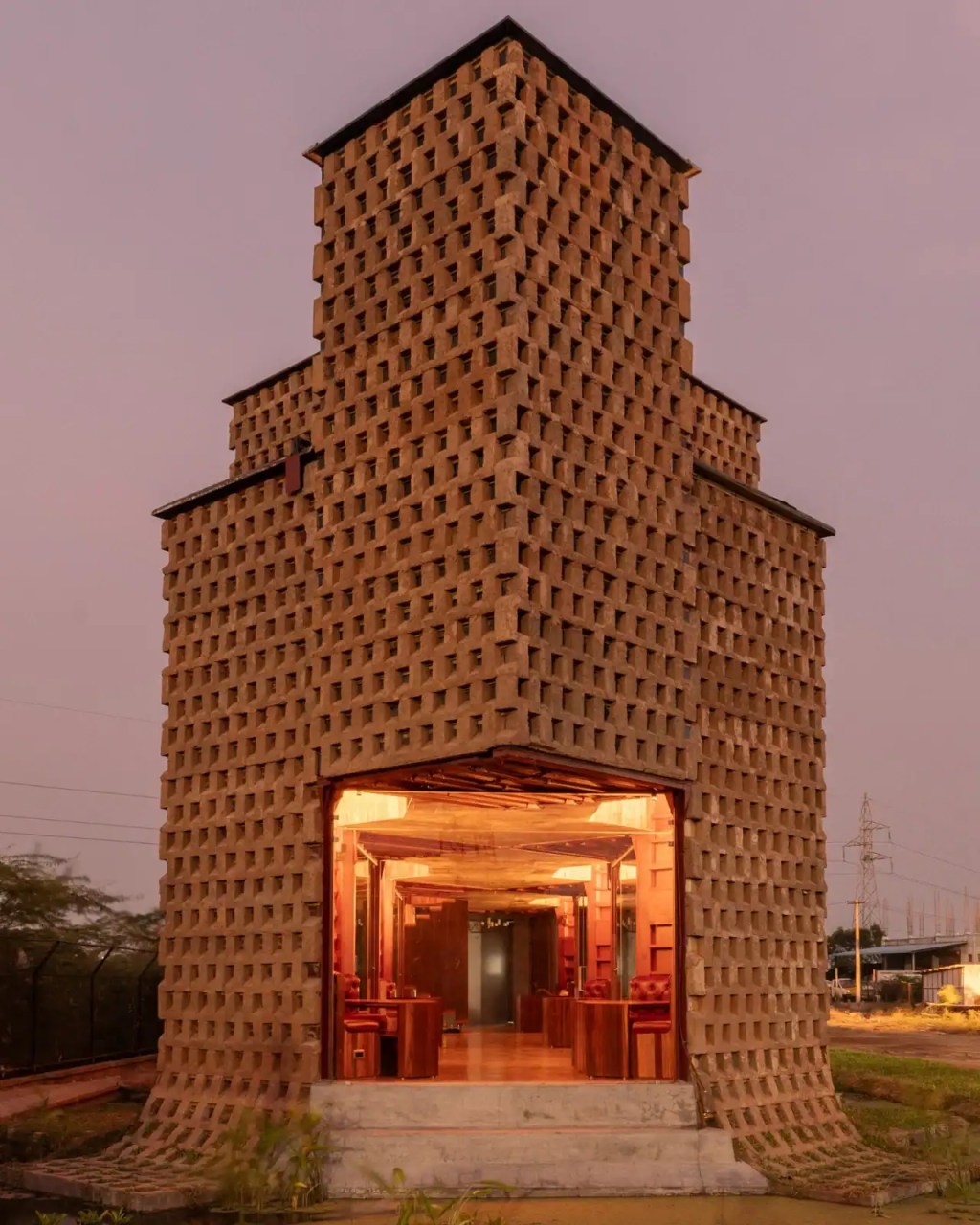
There’s a port city in Tamil Nadu called Tuticorin where discarded shipping containers rust in stacks along the waterfront, forgotten once their working lives are done. Most people walk past them. Indian architecture studio Wallmakers saw a restaurant.
Petti is the result, and it’s one of those rare buildings that makes you wonder why we weren’t doing this all along.
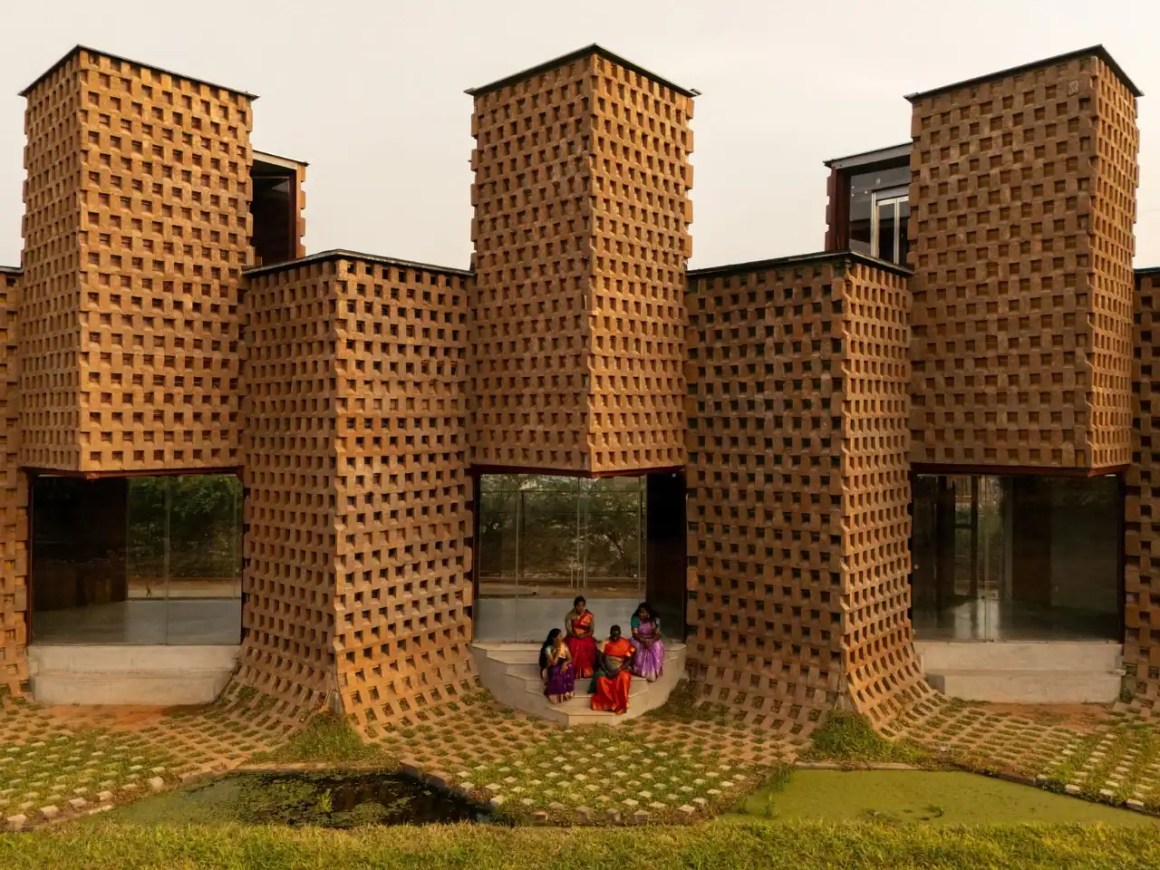
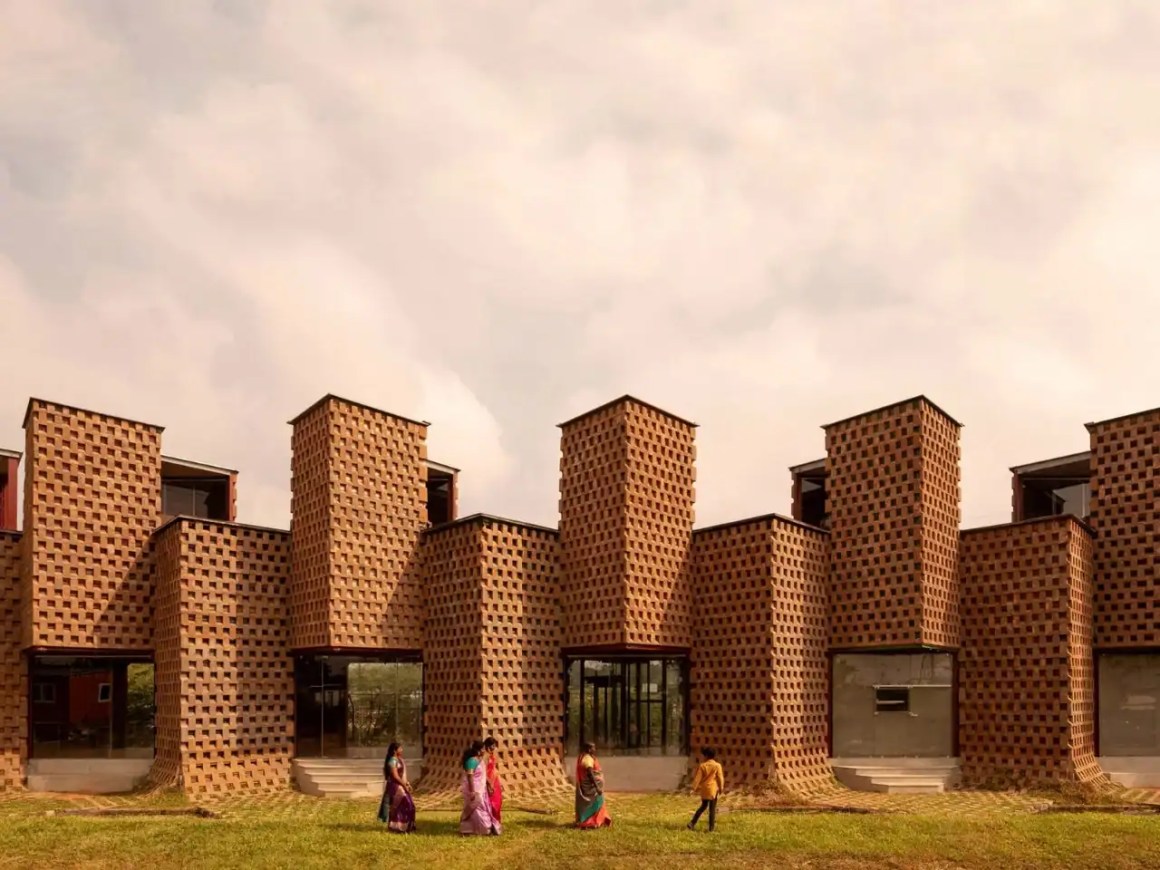
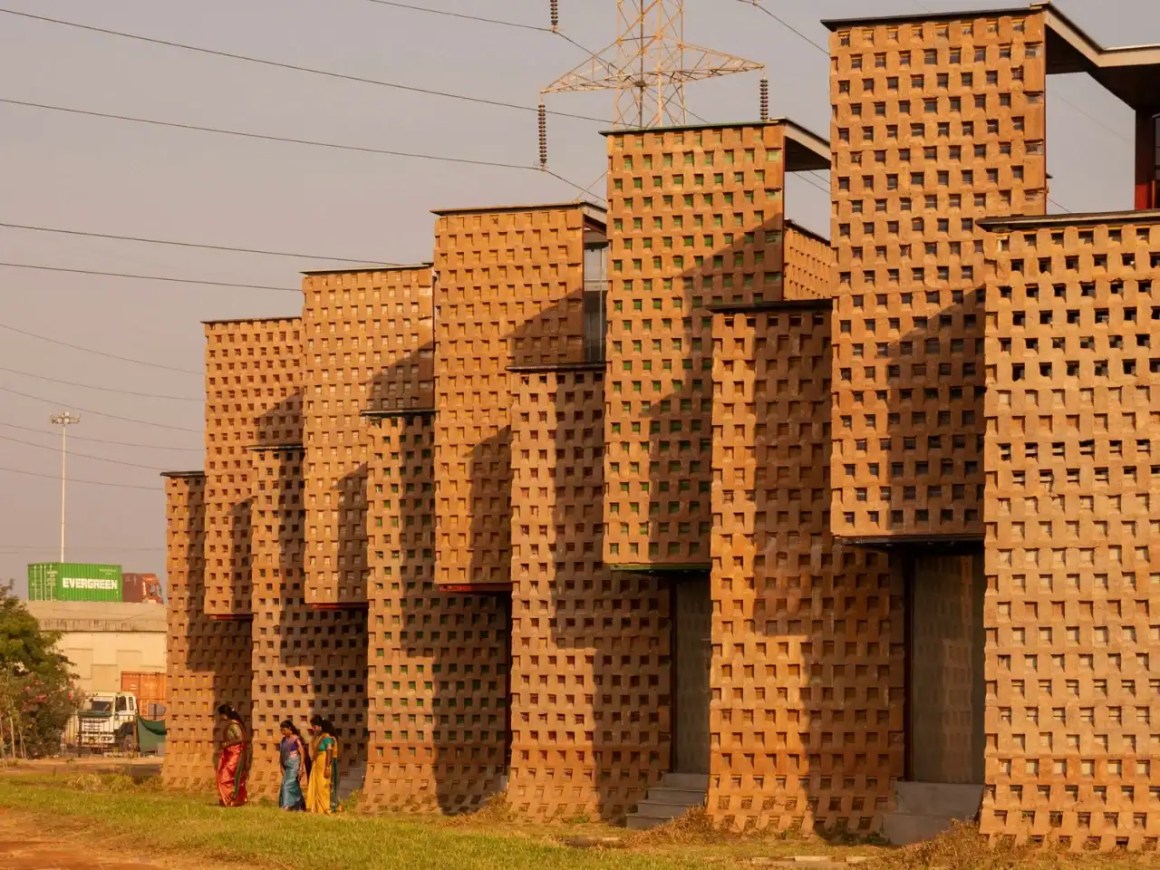
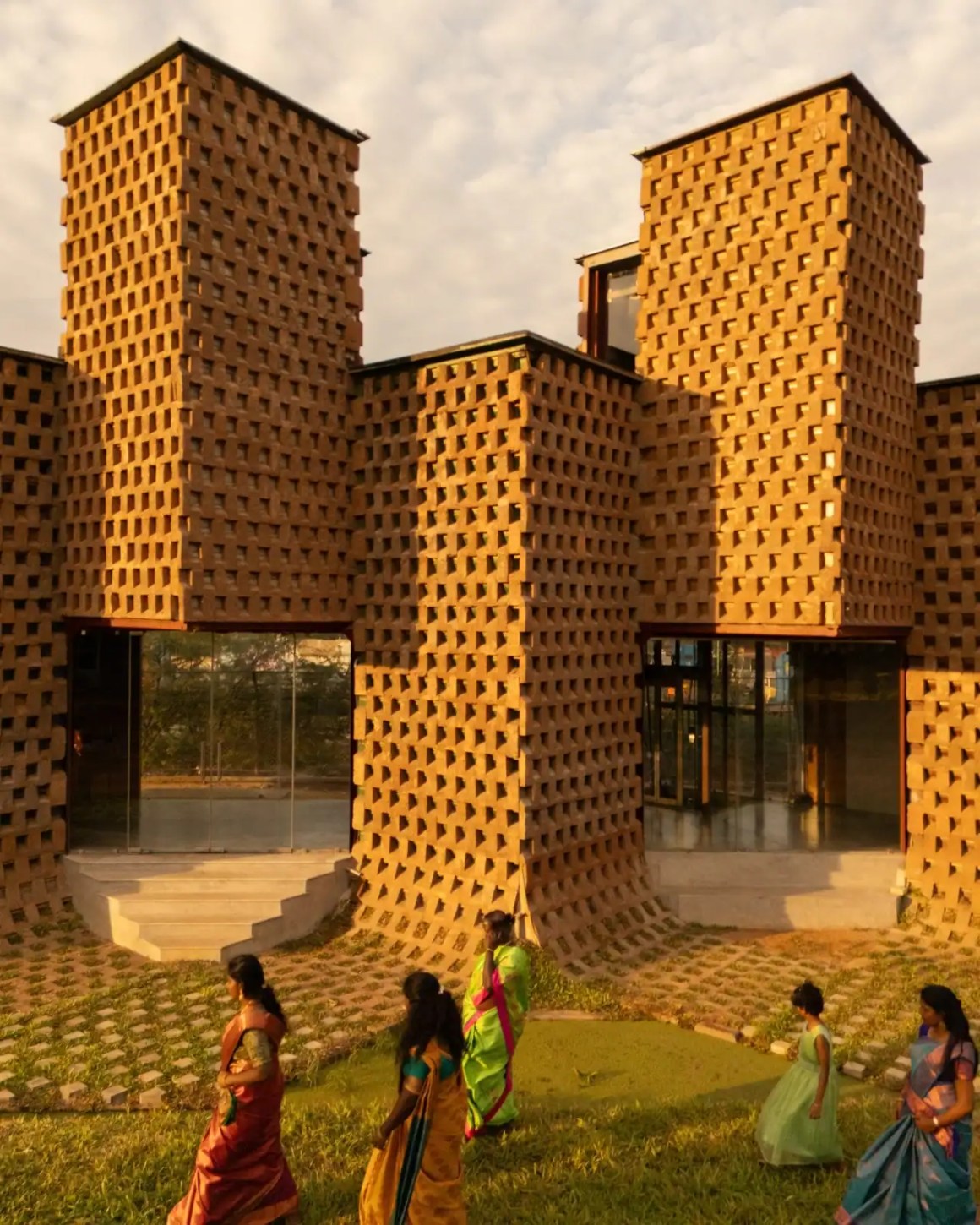
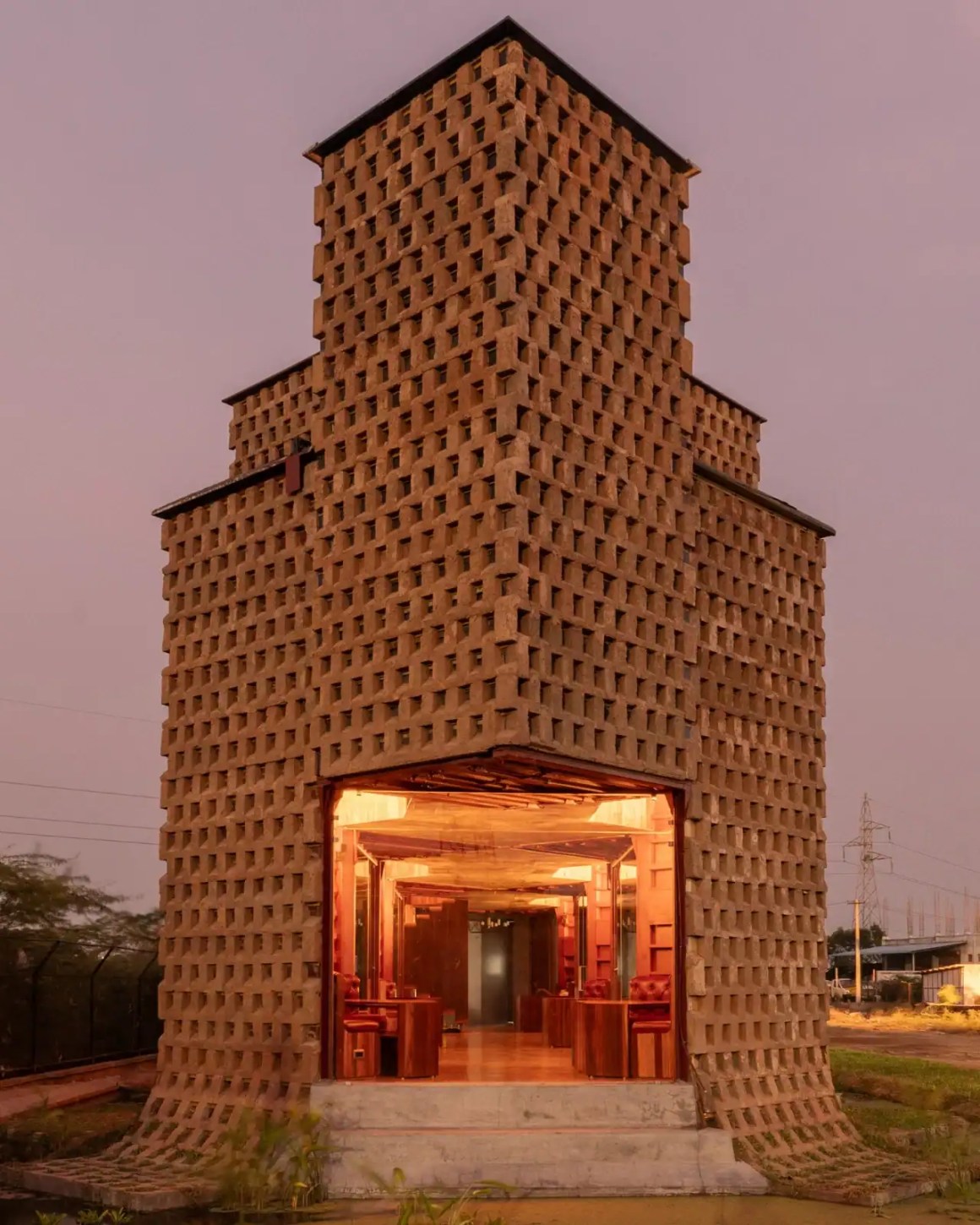
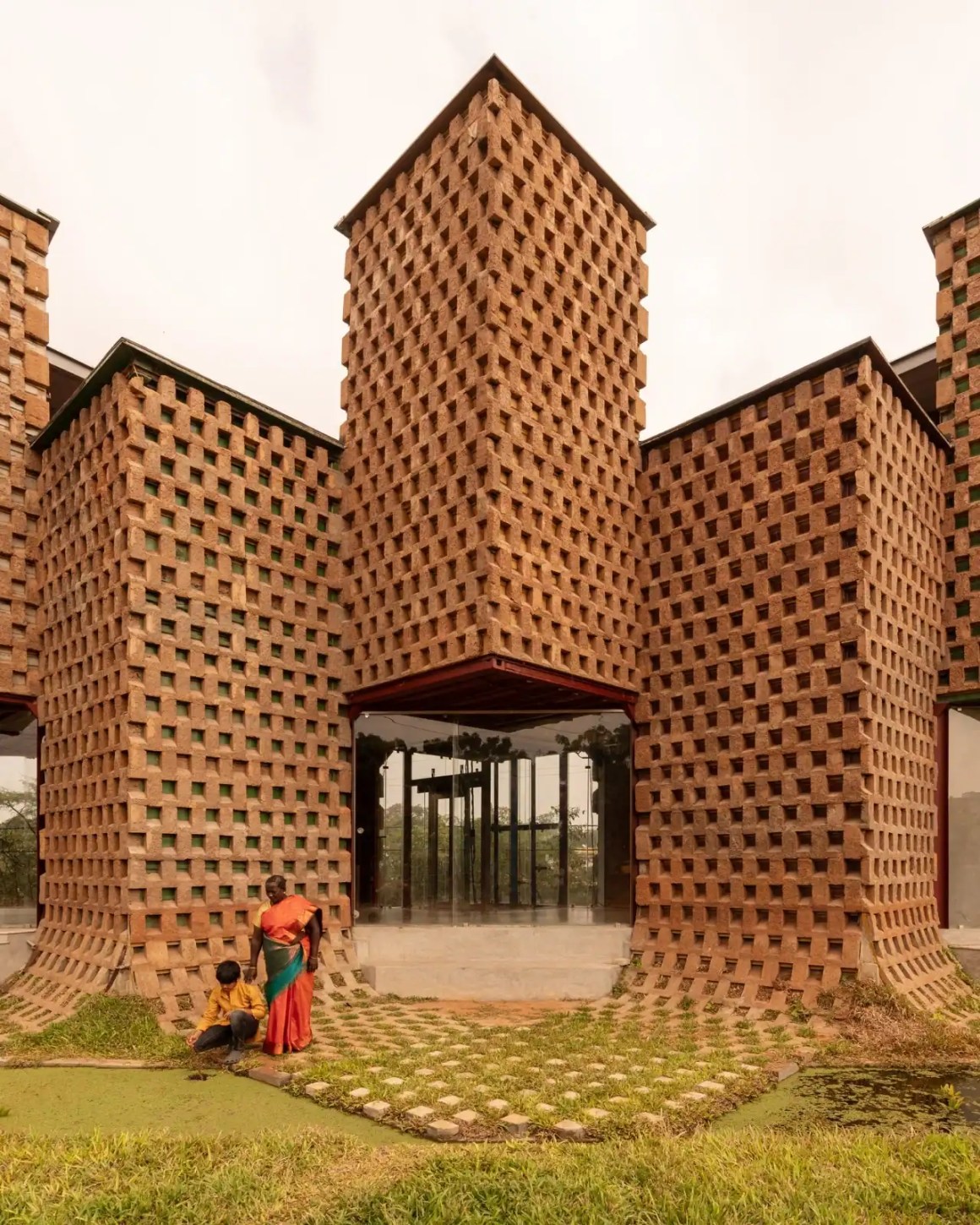
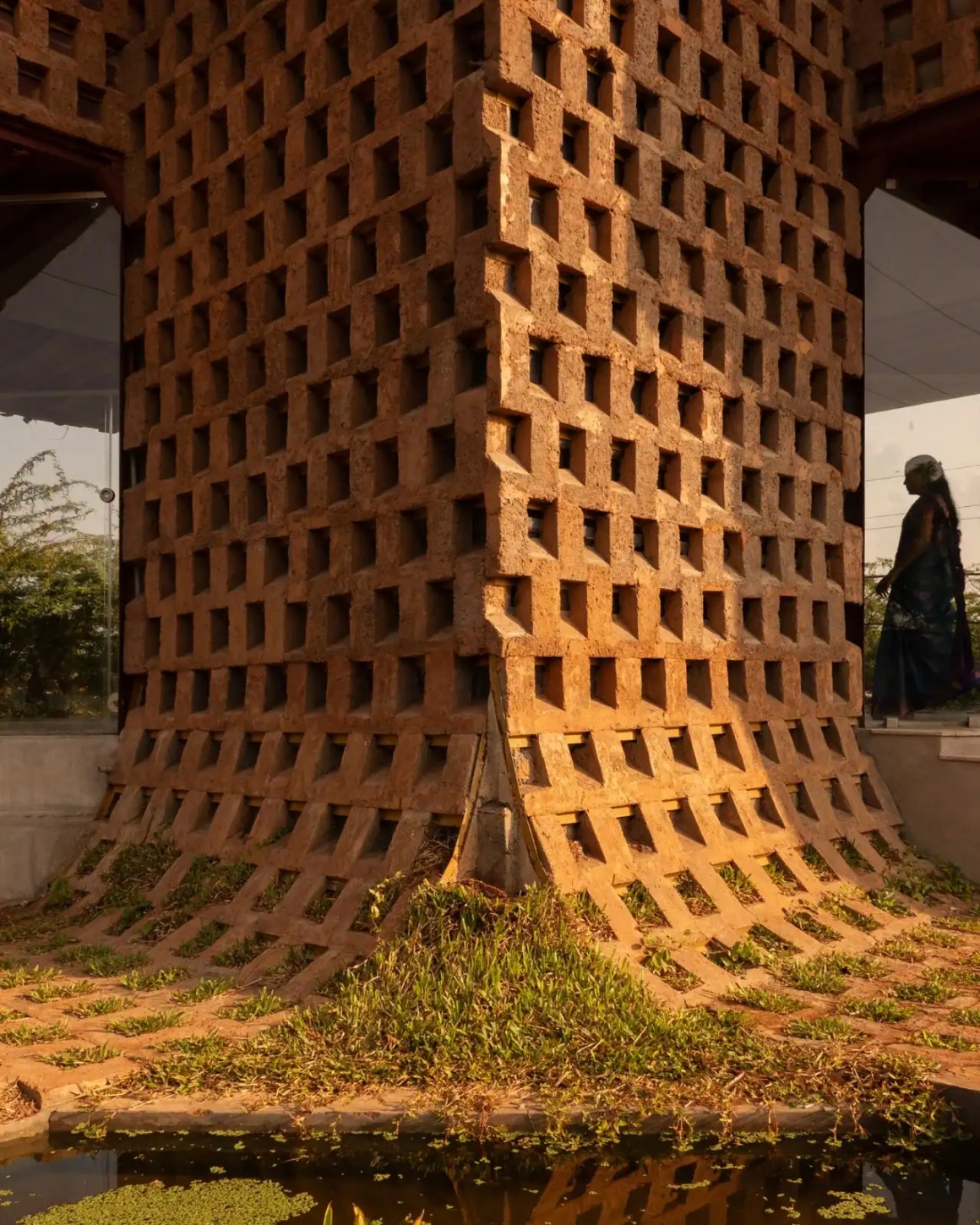
Twelve containers, cut lengthways, welded onto a steel frame. That part’s straightforward. What happened next isn’t. Rather than leaving the steel exposed, the team encased the entire exterior in poured earth, applied in an alternating recessed pattern that reads as something between ancient ruin and freshly quarried stone.
It’s not decorative. The geometry was engineered to reduce heat gain and cut air conditioning load by 38 percent. In a tropical climate where heat isn’t seasonal, that’s a serious number.
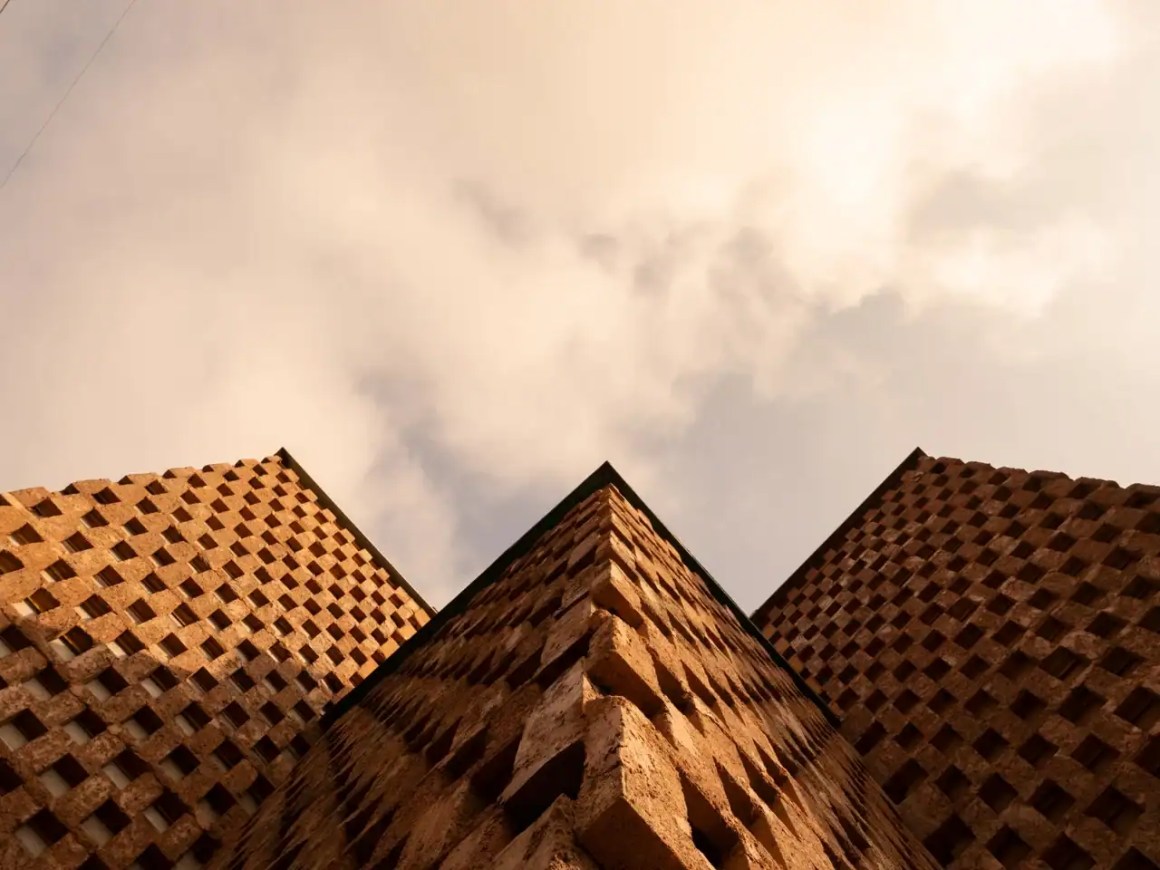
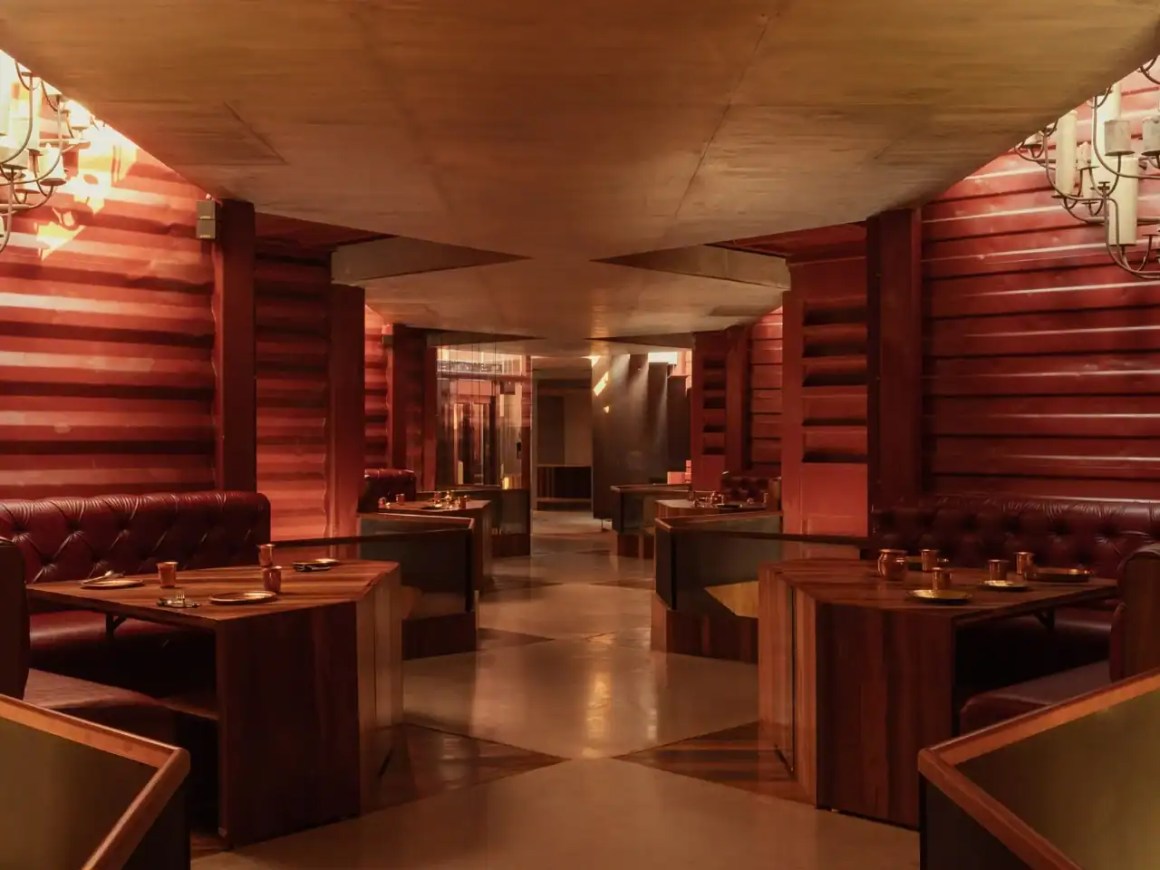
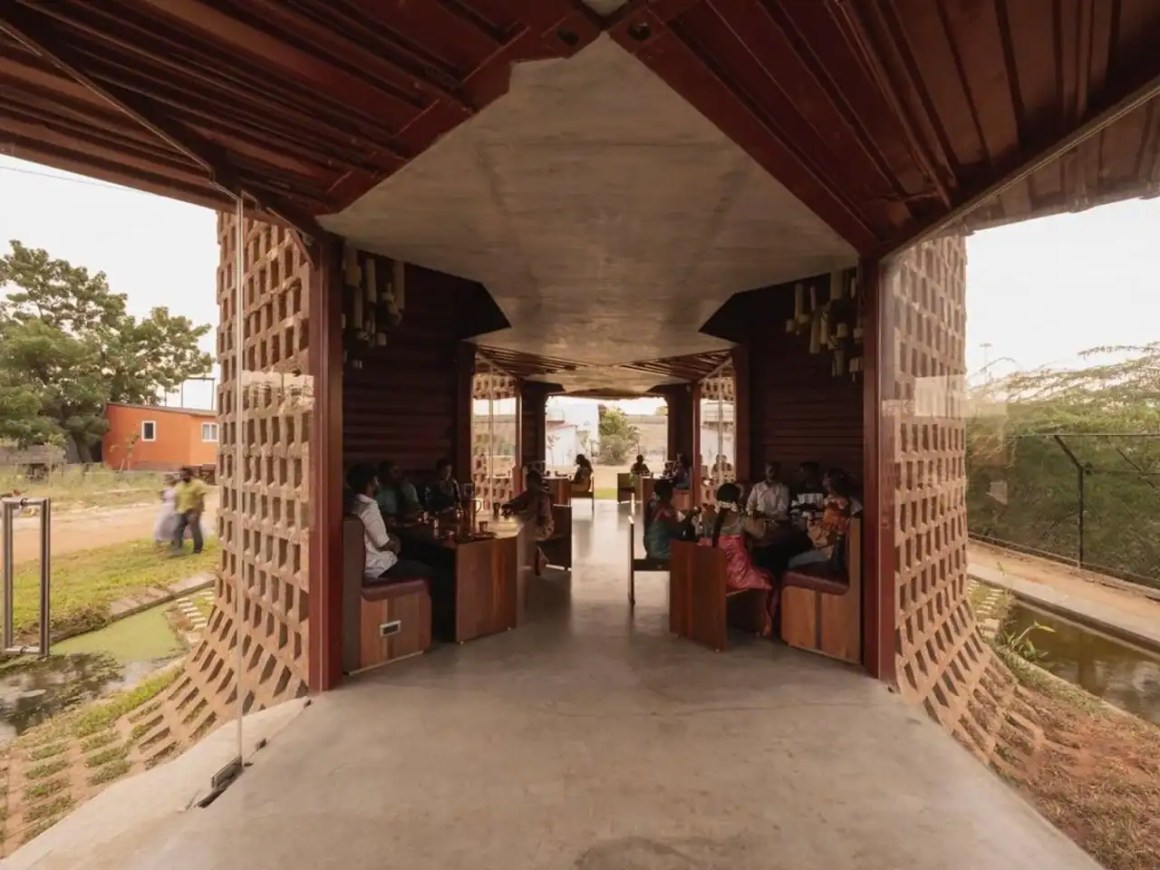
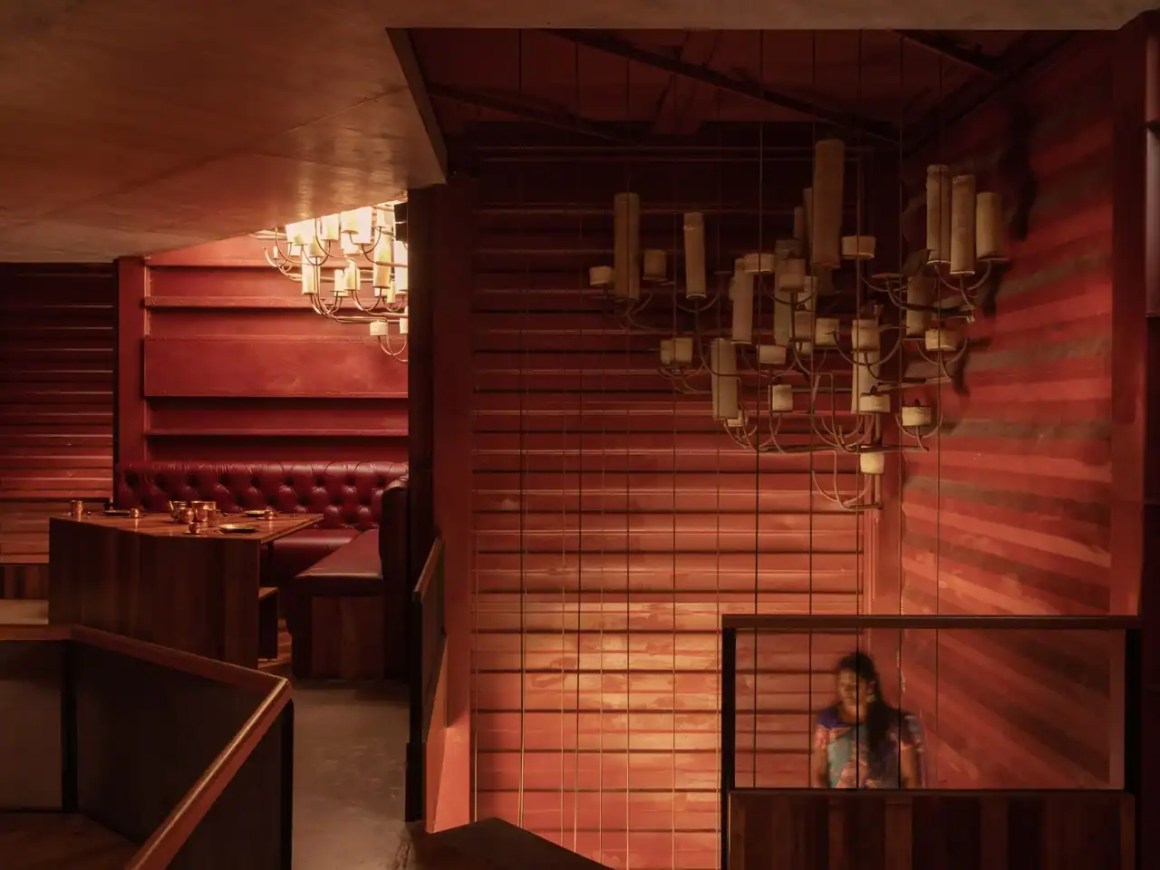
From the outside, the building looks like it grew here. Warm-toned, deeply textured, with a zigzagging roofline that makes you puzzle over whether it’s old or new, handmade or industrial. It’s both. That tension is the whole point.
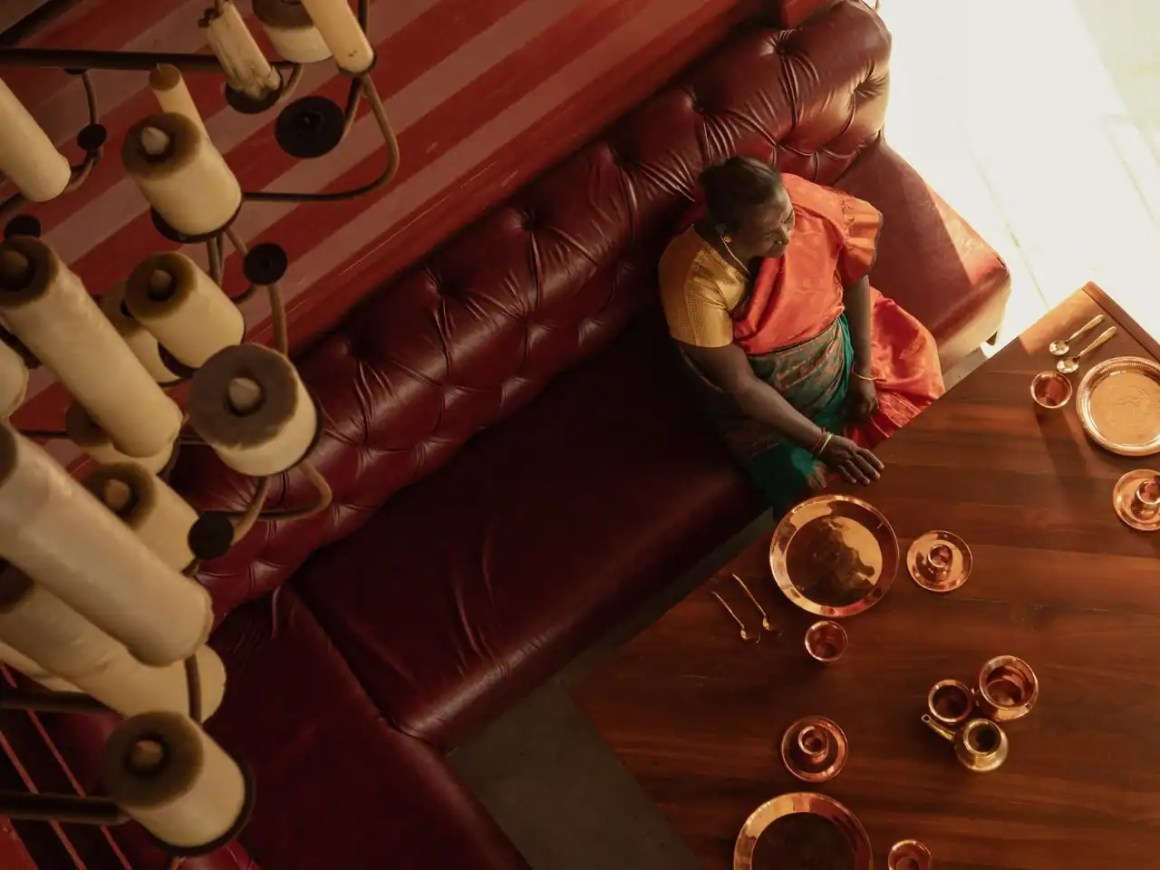
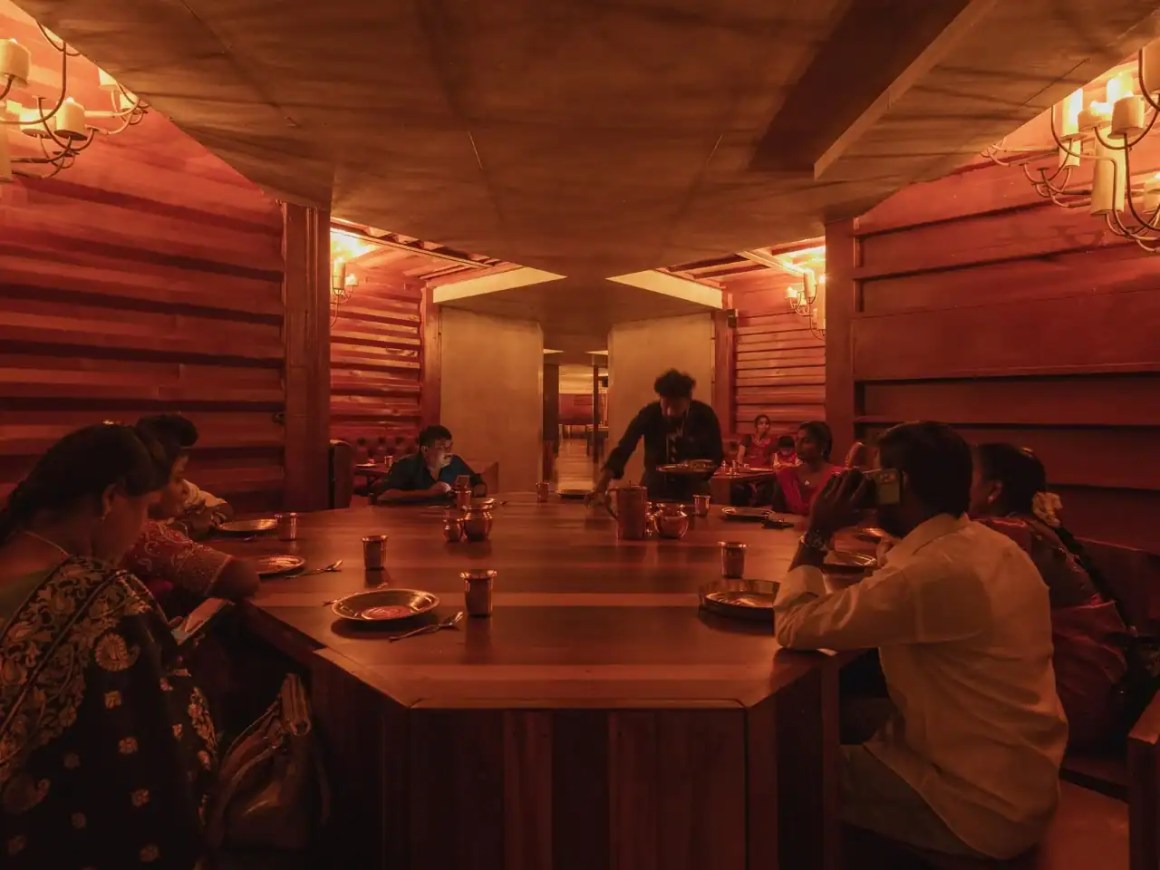
Inside, each container half becomes a dining niche, which gives the space surprising intimacy despite seating 200. Skylights drop daylight over each section. At night, chandeliers made from salvaged wax and pipes take over. The floors are reclaimed deck wood and oxide. Not a single surface was an afterthought.
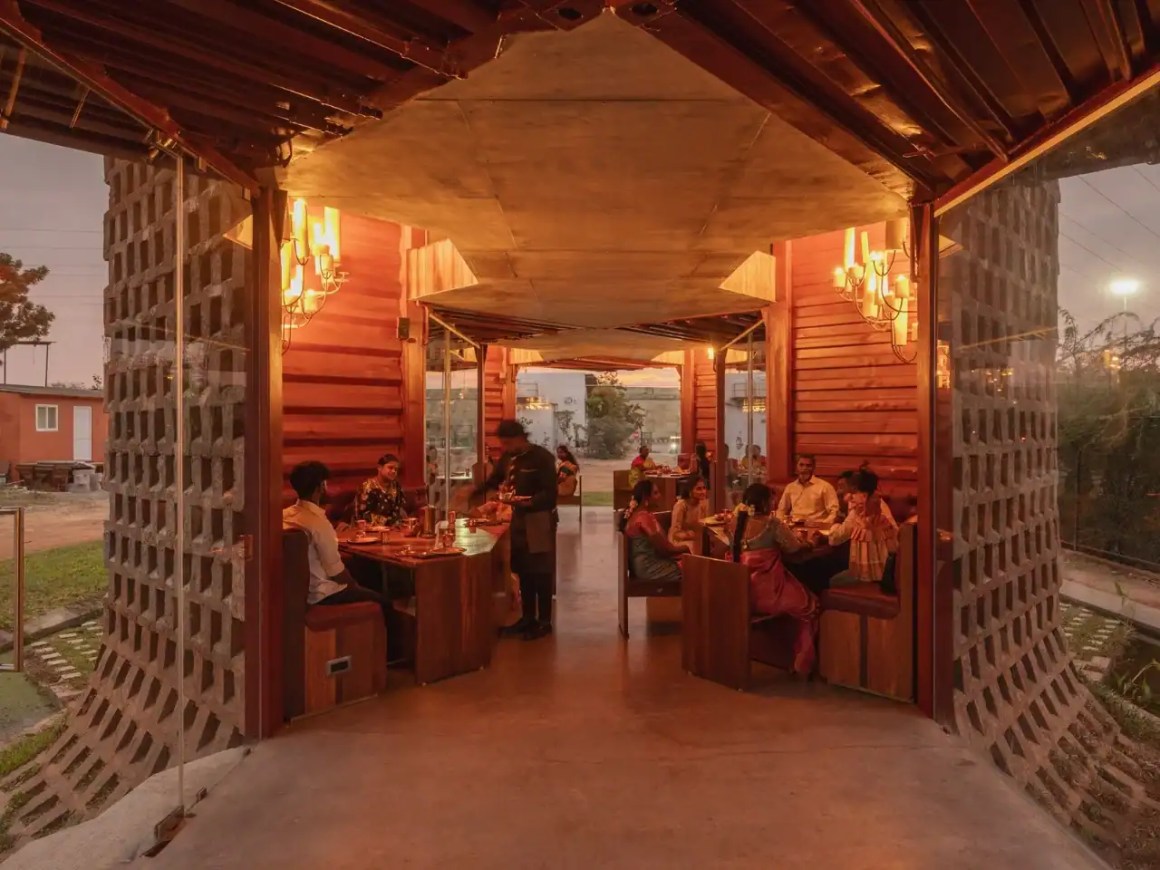
The name Petti means “box” in Tamil. A box, rethought, coated in earth, stacked into something you’d book a flight to see.
What this building gets right is something a lot of eco-conscious architecture gets wrong. It doesn’t ask you to notice the materials before you notice the beauty. The photograph pulls you in first.
The backstory, that you’re looking at marine waste and mud, makes it more compelling. Not less beautiful.
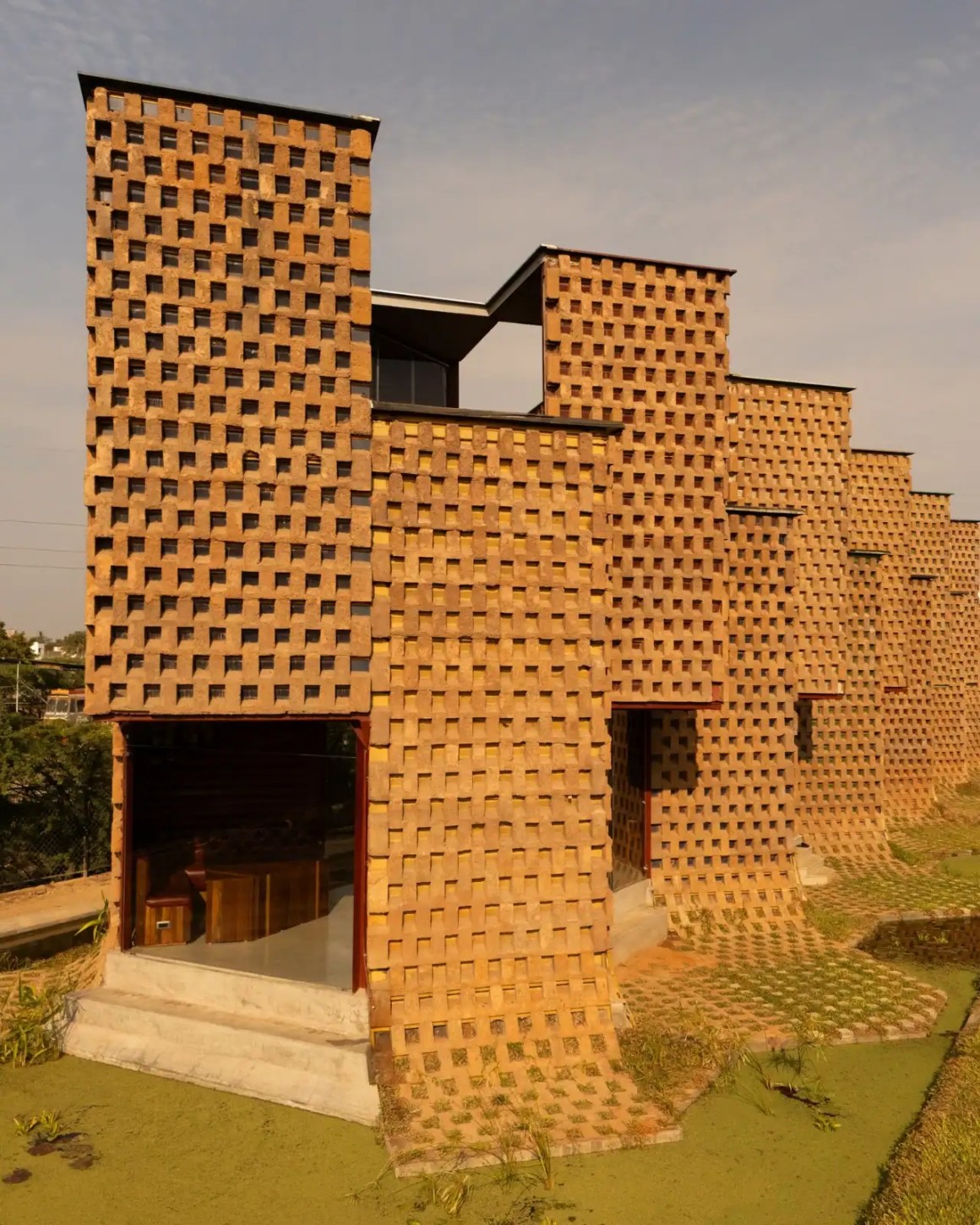
Architecture by Wallmakers (Vinu Daniel and Oshin Mariam Varughese).
At Whole Earth Home, we believe the most compelling case for sustainable building isn’t made with data — it’s made with beauty. Petti makes that argument better than most. If a project like this has you thinking differently about the materials and spaces in your own home, we’d love to hear about it. Come find us on Instagram @thewholeearthhome.
 Whole Earth Home
3 responses to “This Restaurant Is Made From Mud and Marine Waste. It’s Also Beautiful.”
Stunning! Canada could learn something if they opened up their minds. Also so could the rest of the world.
LikeLike
[…] Full reading at Moss and Fog 2285 ♥ […]
LikeLike
WOW‼️Beautiful work and a brilliant idea-Shout Out to the Blessed Community❣️🙏😻
LikeLike