
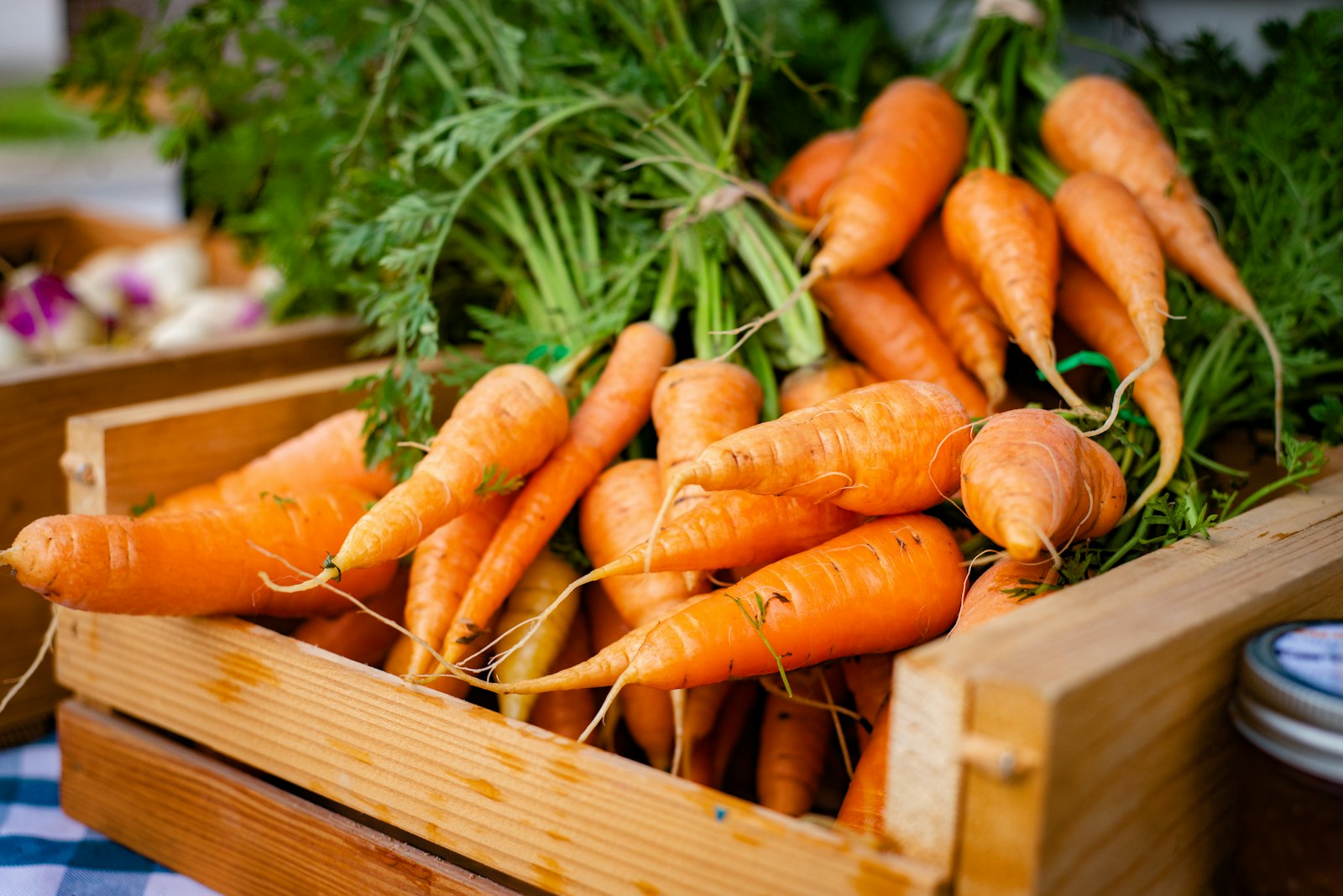
Sometime this month, depending on where you live, your garden gets its first cold night. Most of us treat that as the end of the season. For about half the garden, it is the moment things finally get good!
The idea that frost sweetens vegetables is real, it is measurable, and it is one of the more elegant bits of plant chemistry you can taste for yourself. It also does not apply to everything, and applying it to the wrong crop is how people lose a whole winter’s worth of squash.
So we sorted the fall harvest into three piles: dig it now, frost is fine, and frost is the entire point.
First: What Is Happening Out There

A hardy plant heading into cold weather does not try to avoid freezing. It manages where the ice forms.
As temperatures drop, the plant stops spending energy on new growth and starts breaking stored starch down into sugars. Dissolved sugar lowers the freezing point of the water inside each cell, and at the same time the plant moves water out of its cells and into the gaps between them. When ice does form, it forms in those gaps, where it does no harm.
As UNH Extension puts it: “Ice crystals form in the interstitial spaces but not within the cells themselves.” For many plants, the process works best between 32°F and 20°F.
The sugar is antifreeze. You just happen to find it delicious.
Researchers have measured it, too. A field study of two kale varieties, published in Acta Agrobotanica, followed the plants through a fall and winter and found that soluble sugars rose after a moderate frost and again after a hard one. It is the same plant, tasting sweeter because it is trying not to die.
One correction to the garden lore, though, and it is the most useful thing in this guide: it is not the frost. It is the cold. There is no magic in the ice itself. The plant is responding to days and nights of low temperature, which has a delightful consequence that we will get to near the end.
Pile One: Dig It Now (Frost Is the Enemy)

These are the crops where waiting costs you. Bring them in before your first frost.
Winter squash and pumpkins
This is the great misunderstanding of the fall garden. Everyone files winter squash under “hardy” because of the name and the season, and it is the opposite. According to UMass Extension, chilling injury builds up whenever squash or pumpkins sit below 50°F, in the field or in storage. Those crisp 45-degree October nights are quietly shortening how long your squash will keep.
Ready when: the skin is hard enough that a thumbnail will not pierce it, the surface has gone from glossy to dull, and the stem is dry and corky. Most varieties get there about 50 to 55 days after the fruit sets. Cut it from the vine with a stub of stem attached, and never carry it by that stem. A broken stem is an open wound, and the fruit rots from there.
Then cure it: five to ten days somewhere warm, 80 to 85°F, toughens the skin for storage. The exception is worth memorizing: do not cure acorn or delicata. For those types, UMass says, curing shortens their life in storage.
Sweet potatoes
Sweet potatoes are even more sensitive, and they are the crop most often ruined by good intentions. Penn State Extension says to lift the roots before frost, or before the soil drops below about 55°F, whichever comes first.
They get their sweetness from curing, not from cold: four to seven days at 80 to 85°F with high humidity, which heals nicks, sets the skin and turns starch to sugar. After that, store them at 55 to 60°F and never in the refrigerator. Below 50 to 55°F they develop hard cores and off flavors that only show up after you have cooked them.
Cauliflower (and, with an asterisk, broccoli)
Here is a distinction that trips up experienced gardeners: a plant’s hardiness is not the same as the hardiness of the part you eat. Cauliflower leaves handle cold far better than the tender head does. Penn State advises timing the crop so you harvest before autumn frost, when the heads are five to eight inches wide and still tight.
Broccoli is tougher, and a light frost does it no harm, but do not push your luck with a hard freeze. Cut the main head at three to six inches across, while the buds are tight and dark green. Any yellow means you are a day or two late. Leave the plant in the ground afterward and it will often send up side shoots for weeks.
Pile Two: Frost Is Fine (A Hard Freeze Is Not)

For this group, the first frost is the start of the good window. Mulch heavily and keep harvesting.
Carrots. Cold soil makes them sweeter, but the root is more fragile than its reputation. UMass notes that a carrot freezes at 29.8°F, a little below water, thanks to its own dissolved sugar. So mulch deep, and dig before the ground itself freezes. You can pull carrots whenever they reach a size you would want to eat.
Beets. Best at about two to three inches across, before they turn woody. The shoulders that poke above the soil are the vulnerable part, so hill a little soil or mulch over them. Twist the tops off before storing.
Swiss chard. This is the one people misjudge. It looks like kale, so it gets treated like kale, and it is not as tough. A light frost sweetens it. A hard freeze usually ends it.
Cabbage. Mature heads take frost in stride. Squeeze the head, and if it feels solid, it is ready. Penn State links split heads to uneven watering, so keep moisture steady through the fall rains.
Pile Three: Frost Is the Entire Point

These crops do not just survive the cold, they need it. Ignore your frost date. Your real deadline is the ground freezing solid.
Parsnips. The textbook case, and worth growing for this alone. The University of Minnesota is unequivocal: “The later you dig out the roots, the sweeter they will be.” You can leave them in the ground until late fall or even early spring. Just get them out before they send up a flower stalk, because the flavor goes downhill from there.
Kale and collards. They keep making new leaves well past the first frosts, and they taste better for every cold night. Take the outer leaves and let the crown keep growing.

Brussels sprouts. Penn State calls them “very hardy” and says they “can withstand several frosts and even an early snow.” Pick from the bottom of the stalk upward as the sprouts firm up. A trick many growers use: once the lower sprouts have sized up, pinch out the growing tip at the top of the stalk, and the plant puts its energy into finishing the rest.
Turnips and rutabaga. Both are sweetened by cold. Pull turnips while they are still small and tender, and let rutabagas get a little bigger.
Leeks. The simplest storage plan in the whole garden is to mulch them heavily and leave them where they are, digging a few whenever you need them.
Kohlrabi. Penn State’s guidance is memorably concrete: harvest when the swollen stem is “no larger than a baseball.” Bigger than that and it turns woody.
The Whole Thing, in One Table
| Crop | Harvest when | Frost verdict | How it keeps |
|---|---|---|---|
| Winter squash | Thumbnail will not pierce the skin; stem dry and corky | Harmful below 50°F | 2 to 6 months, cool and dry |
| Sweet potato | Before frost, or before soil drops below 55°F | Harmful | Months at 55 to 60°F, once cured |
| Cauliflower | Head 5 to 8 inches, still tight | Harvest before frost | Fridge, eat soon |
| Broccoli | Head 3 to 6 inches, buds tight and dark | Light frost fine, hard freeze not | Fridge, eat soon |
| Carrots | Any usable size | Sweetens; dig before the ground freezes | About 8 months, cold and damp |
| Beets | 2 to 3 inches across | Light frost fine | About 5 months, cold and damp |
| Swiss chard | Outer leaves, cut and come again | Less hardy than it looks | Fridge, eat soon |
| Cabbage | Head solid to the squeeze | Frost fine | About 5 months, cold and damp |
| Parsnips | The later the better | Frost is the point | About 4 months, cold and damp |
| Kale and collards | Any usable leaf, outer first | Frost is the point | Leave on the plant, pick as needed |
| Brussels sprouts | Bottom of the stalk first | Frost is the point | Leave on the stalk, pick as needed |
| Turnips and rutabaga | Turnips small, rutabagas larger | Frost is the point | About 4 months, cold and damp |
| Leeks | When the shaft is thick enough to use | Frost is the point | Leave in the ground under mulch |
| Kohlrabi | No bigger than a baseball | Frost is the point | About 2 months, cold and damp |
Your Dates Are Not National Dates
“Harvest before frost” is close to meaningless as national advice. In NOAA’s 1991 to 2020 climate normals, the first fall freeze arrives from mid-September to early October across much of the Midwest and Northeast, and not until December or later in most of California and southern Arizona. That is a three-month spread for the same event!
Two things get mixed up constantly:
- Frost date is not hardiness zone. Zones describe the average coldest night of winter. Two towns in the same zone can have first frosts weeks apart.
- The published date is a probability, not a promise. Your own yard matters, too. Cold air pools at the bottom of a slope, so a low garden can frost well before the official station in town.
Look yours up with the Old Farmer’s Almanac frost date tool or the National Gardening Association’s, then work backward using the three piles above.
Storing It Without Wrecking It
There are really only two storage environments that matter here, and putting a crop in the wrong one undoes all your work.
Cold and damp (32 to 40°F, very humid): carrots, parsnips, beets, turnips, rutabaga, kohlrabi and storage cabbage. In a home basement the hard part is almost never the temperature. It is the humidity, which is usually far too low, and that is why your carrots go rubbery. Pack them in damp sand, sawdust or leaves in a box.
Cool and dry (50 to 60°F): winter squash, pumpkins and sweet potatoes. These are the ones people ruin by putting them somewhere sensibly cold.
A few habits help with everything:
- Handle it gently. Every nick and bruise is where rot starts, so only your best vegetables should go into long storage.
- Take the tops off root crops. The leaves keep pulling water out of the root long after harvest.
- Keep the temperature steady. A garage that swings twenty degrees in a sunny fall week invites condensation and mold. Steady beats perfect.
Three Things We Did Not Expect
1. Parsnips do not need a frost. They need two weeks in your fridge.
Remember that the sweetening is a response to cold, not to ice. That means the crisper drawer can do the same job as a November night. The University of Minnesota states it flatly: “Parsnip sweetens after two weeks of storage at 32 degrees Fahrenheit.” If you garden somewhere that barely frosts and you have been told you cannot grow a proper parsnip, you can! Harvest them and chill them.
2. Winter squash gets better in your basement, not your garden.
A butternut eaten the week it is picked is a worse butternut. UMass recommends storing butternut, kabocha, hubbard and buttercup for one to two months before eating them, while the starch slowly turns to sugar. Oregon State adds that the squash’s carotenoids, the pigments behind that deep orange, more than double over a few months of storage. It is the one crop where the patience belongs after the harvest.
3. Storing carrots next to apples makes the carrots bitter.
Ripening apples give off ethylene gas. Carrots respond to ethylene by making a bitter defensive compound called 6-methoxymellein, and it takes very little. UMass rates carrots as highly sensitive, with a bitter, off taste developing at just 0.2 parts per million, and its advice is four words long: avoid storing with apples.
Which is exactly what most of us do. The bushel of apples and the crate of carrots end up in the same cool corner of the basement, and that one arrangement quietly spoils the carrots. The fix costs nothing. Put the apples in a different room.
The Gear That Earns Its Keep
You can do all of this with a shovel and a cardboard box. These six things make it easier, and each one lasts for years. The links below go to Amazon, and we may earn a small commission if you buy.
1. A hori hori garden knife
Half trowel, half knife, with a serrated edge and depth marks on the blade. It levers parsnips out of cold ground, cuts squash stems cleanly and divides a clump of leeks. If you own one fall tool, own this one.
2. Floating row cover
A few degrees of protection is the difference between finishing a cauliflower and losing it. Lightweight fabric goes straight over the bed and lets light and rain through. It is the cheapest way to stretch the season.
3. A min/max outdoor thermometer
Your phone gives you the airport’s temperature, and your garden is not the airport. A simple sensor at bed height tells you what actually happened out there overnight, and whether it was a light frost or the hard freeze that means you dig tomorrow.
4. A garden hod
A wire basket in a wooden frame, borrowed from the clam diggers of Maine. You fill it in the garden and hose it down without moving a thing, and the soil falls straight through.
5. Vented storage bins or burlap sacks
Carrots can keep for the better part of a year in the right conditions, and that is wasted in a sealed plastic tub. You want airflow, darkness, and something that holds damp sand or sawdust without going slimy.
6. Bypass pruners or harvest snips
Squash and pumpkin stems need a clean cut, and broccoli, chard and kale are better snipped than yanked. A sharp blade crushes less tissue, which leaves less of an opening for rot.
One Last Thing
If there is one idea worth carrying out to the garden, it is this: the first frost is not a deadline. It sorts the garden for you. A few crops need to come in before it. A handful are happy to meet it. And a whole group of vegetables, the parsnips and kale and Brussels sprouts and leeks, spend the entire summer being merely fine and only become worth the trouble once it gets properly cold.
That is a good reason to plant more of them next July, and an even better reason not to pull everything out this weekend just because the forecast looks grim.
More for the season: How to cut your heating bill for under $100 · The fall cleaning checklist · The lazy autumn reset
Whole Earth Home is a participant in the Amazon Services LLC Associates Program. Links in the gear section are affiliate links, and we may earn a small commission on qualifying purchases at no extra cost to you.